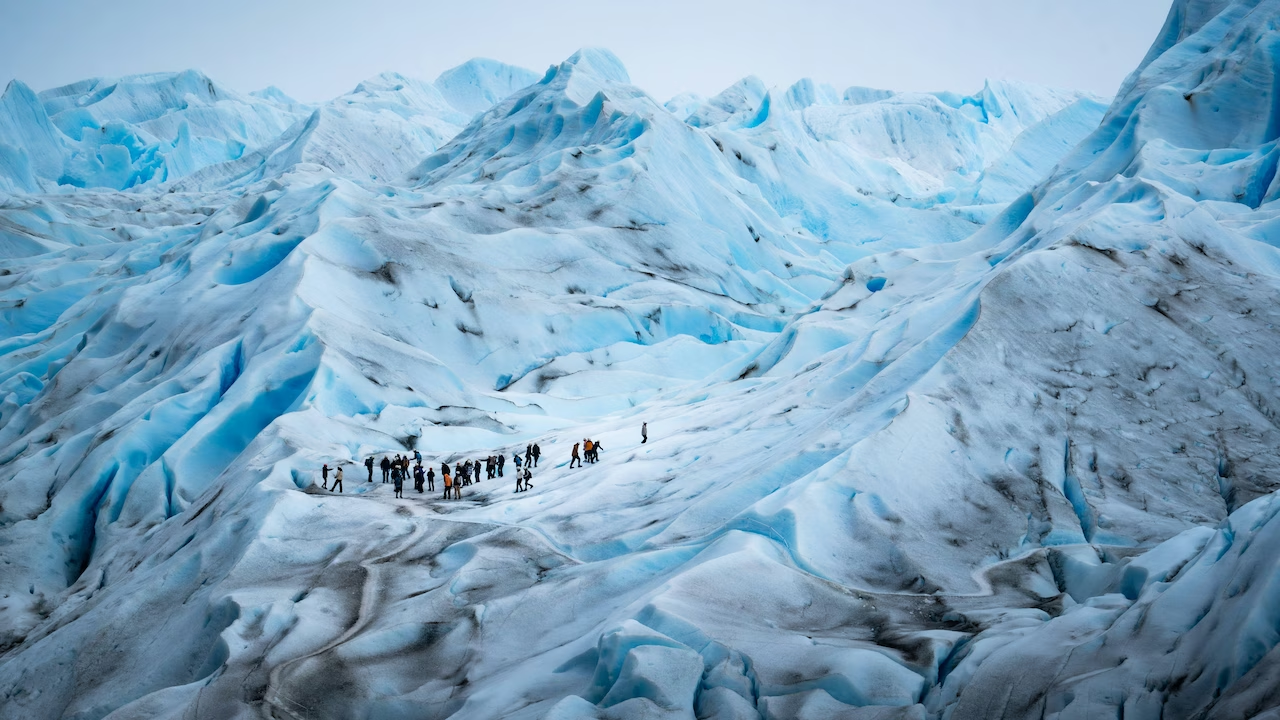
Climate Change and the Current State of the Perito Moreno Glacier
An Iconic Glacier Facing New Challenges
The Perito Moreno Glacier in southern Patagonia, Argentina, has long been celebrated as one of the few glaciers in the world that seemed exceptionally stable in the face of rising global temperatures. Located within Los Glaciares National Park, this enormous river of ice, covering around 260 square kilometers, flows from the Southern Patagonian Ice Field down into Lake Argentino, attracting hundreds of thousands of visitors each year due to its dramatic ice walls and frequent calving events.
However, recent scientific research has revealed signs that this stability may be changing… and rapidly.

Big Ice Trekking on Perito Moreno Glacier From El Calafate
Join our Big Ice Trekking Tour on Perito Moreno Glacier. Explore ice formations & rugged beauty. Book now for an unforgettable experience.
From Price: USD640
From Stability to Retreat: What’s Happening Now
For decades, Perito Moreno was unique among Patagonian glaciers. While many other glaciers in the region were retreating significantly due to warming temperatures, Perito Moreno’s frontal position remained relatively steady, maintaining a balance between ice accumulation and melting.
But data from the last several years indicate a shift in this long‐standing equilibrium:
-
Accelerated Retreat: Between approximately 2019 and 2024, some parts of the glacier’s northern front have retreated by as much as 800 meters — a dramatic change compared to the minimal retreat seen between 2000 and 2019.
-
Increased Thinning: Measurements show the glacier’s surface thinning rate has increased sharply. Whereas thinning averaged about 0.34 meters per year before 2019, recent rates have exceeded 5 meters per year near the glacier’s front.
-
Loss of Mass: Over roughly the past decade, the glacier has begun to lose mass overall — meaning it is now releasing more ice than it gains through snowfall and accumulation at its head.
Scientists suggest that the glacier’s anchoring to a subglacial ridge — a feature of the bedrock beneath the ice that once helped stabilize it — may be weakening. If this “pinning point” fails, the glacier could retreat more rapidly into deeper water, leading to increased iceberg calving and further instability.

Complete Tour to Perito Moreno Glacier: Boat Navigation & Lunch
Enjoy a Perito Moreno Glacier tour from el Calafate in a full day, with lunch and boat navigation included
From Price: USD185
Climate Change as the Driving Force
The changes being observed at Perito Moreno are consistent with broader patterns of glacier response to global warming. Rising air temperatures, altered precipitation patterns, and warmer water at the glacier’s terminus all contribute to increased melt and structural change.
Although this glacier historically lagged behind others in its response to climate change, its recent acceleration in retreat suggests that even seemingly resilient ice masses are not immune to warming trends.
This shift also challenges some climate change skeptics who pointed to Perito Moreno’s past stability as evidence against widespread warming, underscoring the complexity and variability of glacier behavior around the world.
Why This Matters
Perito Moreno’s evolving state has significant implications:
-
Environmental Indicator: Because of its iconic status and long history of observed stability, Perito Moreno now serves as a striking indicator of how even robust glacier systems are being affected by climate change.
-
Tourism & Local Economy: The glacier draws visitors from around the globe. Changes in its structure and retreat patterns could influence the local tourism industry and the visitor experience.
-
Hydrological Impact: Glaciers act as natural freshwater reservoirs. Continued retreat and thinning could alter seasonal water flows in the region’s lakes and rivers, with implications for ecosystems and human water use.
Looking Ahead
Researchers caution that if current climate trends persist, Perito Moreno’s retreat may continue and could become more pronounced. The glacier’s fate is tied closely to global climate action — particularly efforts to limit the increase in atmospheric greenhouse gases that are driving warming and regional climate change.
In an era where many glaciers worldwide are vanishing at unprecedented rates, Perito Moreno’s changing dynamics remind us that no glacier is entirely immune to a warming world. Its evolution not only reshapes the Patagonian landscape but also offers a clear—and visible—signal of broader climatic shifts happening across the planet.
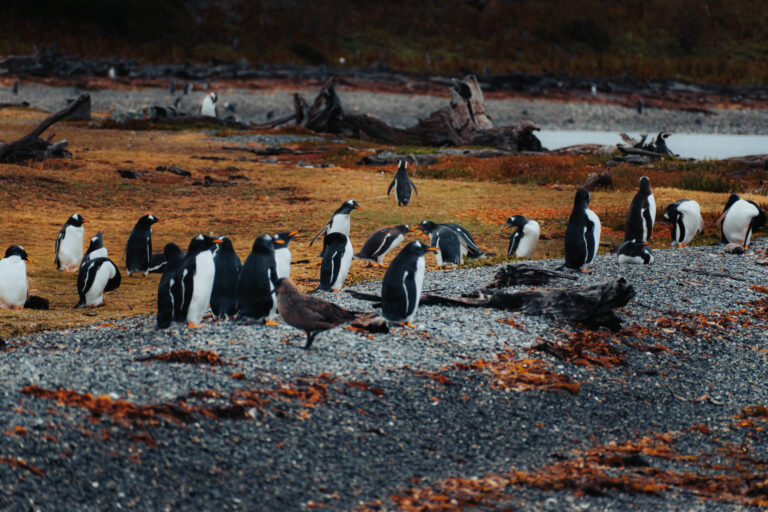
Beagle Channel Navigation: Sea Lions Island + Martillo Island Penguin Rookery
Navigation through the Beagle Channel from Ushuaia with sea lion colonies, seabirds and penguins at Isla Martillo.
From Price: USD139