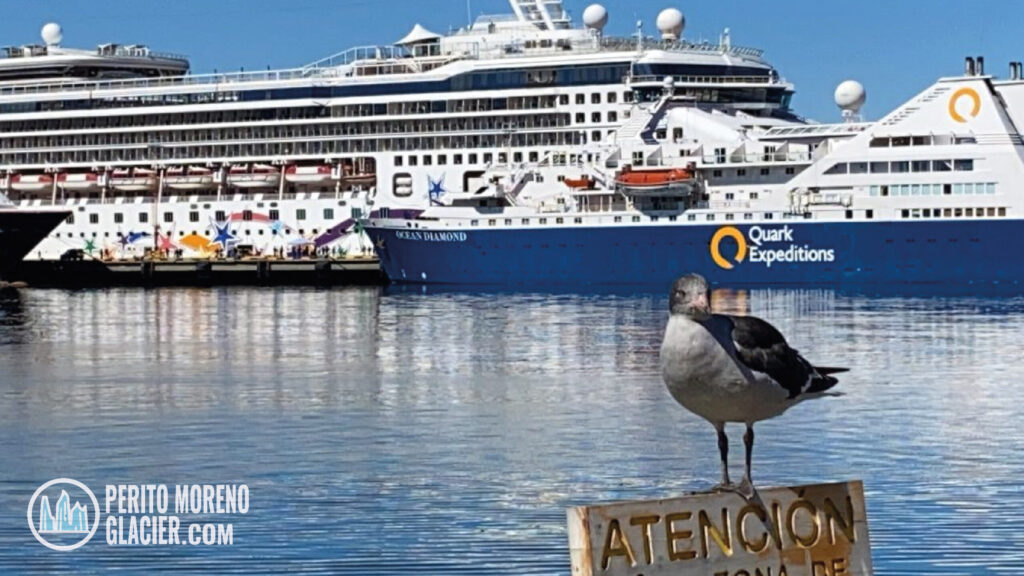
Ushuaia, at the southernmost tip of Argentina, is the world’s southernmost city and the main gateway for trips to the White Continent. During the austral summer (October to March), ships depart from Ushuaia to the Antarctic Peninsula. Voyages vary in itinerary and length, from about 10 days to three weeks, aboard expedition vessels, larger cruise ships, or luxury ships.
Each summer, thousands of travelers choose Ushuaia to reach Antarctica, making it the busiest port of entry among the five worldwide. Argentina’s presence dates to 1904, when a meteorological observatory and an Argentine post office were established on Laurie Island, South Orkneys, which later became Orcadas Base. As a signatory of the 1959 Antarctic Treaty, Argentina is a consultative member, committed to peaceful use, scientific research, and environmental conservation.
Given Antarctica’s fragile ecosystem, tourism is internationally regulated under the Antarctic Treaty framework. Only small, controlled groups may disembark at authorized sites to minimize impact on the pristine environment.
What’s the best time to visit Antarctica?
The best time is the austral summer, October to March. Conditions are more favorable for navigation, with longer daylight, milder temperatures, and generally calmer seas that make crossings smoother.
Early season (October–November): penguins arrive, with nesting and breeding activity visible. Whale sightings begin, including humpbacks and orcas that migrate to feed.
Mid-season (December–January): temperatures are milder and sea ice recedes, allowing broader exploration. Wildlife viewing is excellent, with seabirds, seals, and marine mammals active.
Late season (February–March): long days and striking light conditions create dramatic photography. Wildlife remains abundant, and you can witness whales starting their migration back to breeding grounds.
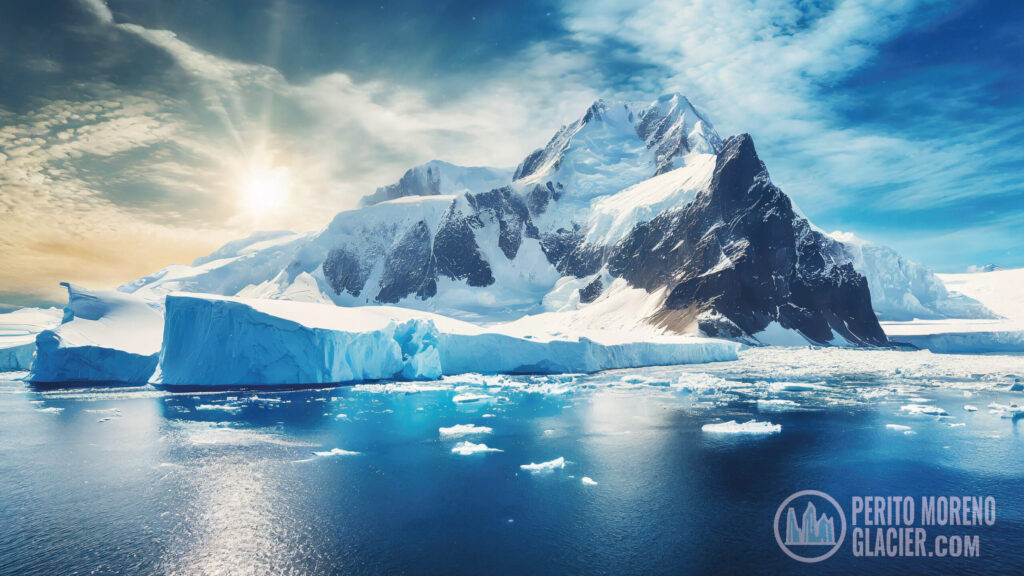
Cruises to Antarctica from Ushuaia
Antarctica offers a range of itineraries that differ by duration, landing sites, type of vessel, and onboard services. Below are the most common routes.
Classic Antarctica (10–12 days): after crossing the Drake Passage, ships visit the South Shetland Islands, including Deception Island and 25 de Mayo Island, then continue to the Peninsula with iconic sites like Gerlache Strait, Danco Island, Neko Harbor, Paradise Bay, Pléneau and Petermann Islands, and Port Lockroy, home to a museum and post office.
Antarctica via Falklands and South Georgia (20–22 days): combines the Antarctic Peninsula with the wildlife-rich Falkland Islands and South Georgia, famed for vast colonies of king penguins and dramatic subantarctic scenery.
Crossing the Antarctic Circle (14–15 days): explores farther south along the west coast of the Peninsula, crossing latitude 66° 33’ S. Highlights include towering icebergs, abundant whale activity, large penguin colonies, and historic or scientific sites such as Vernadsky Station and former British bases like Faraday, Yalour Islands, and Detaille Island.
Weddell Sea Circuit (20–22 days): begins with Peninsula landings, then heads toward the eastern Weddell Sea. Expect massive tabular icebergs, glaciers, and wildlife such as seals, penguins, and albatross. The area is historically linked to Sir Ernest Shackleton’s 1915 Endurance expedition, when his ship was trapped and lost in pack ice.

The BaseCamp expedition cruise to Antarctica
The BaseCamp expedition adds a hands-on dimension to Antarctic travel, offering activities such as hiking, snowshoeing, kayaking, mountaineering, and camping on the ice under Southern Polar skies.
Beyond sightseeing, travelers engage with the environment in a responsible, low-impact way. Following the steps of early explorers, paddling among brash ice, or spending a night on the continent are memorable experiences that deepen the connection with this unique wilderness.
BaseCamp is ideal for active travelers who want a more immersive approach, with expert guides and strict environmental protocols. For dates, ship details, and requirements, contact a specialist agency or your trusted operator.