Driving around El Calafate can be one of the most rewarding ways to explore southern Patagonia. The roads cross enormous areas of open steppe, follow the shores of turquoise lakes and eventually approach the forests, mountains and glaciers of Los Glaciares National Park.
The main tourist routes are generally straightforward, but driving in Patagonia presents conditions that may be unfamiliar to international visitors. Strong crosswinds, long distances between services, gravel surfaces, changing weather and wildlife require a more cautious approach than the apparently empty roads might suggest.
This guide explains the principal roads around El Calafate, where to find fuel, how to drive safely on gravel and what to do during wind, snow or an emergency.
Argentinian & Chilean Patagonia: Ushuaia, El Calafate, El Chalten and Puerto Natales
Enjoy visiting Ushuaia and the end of the world... El Calafate and Perito Moreno Glacier... El Chalten and the Fitz Roy Mount and Puerto Natales and Torres del Paine National Park!
Is Driving Around El Calafate Difficult?
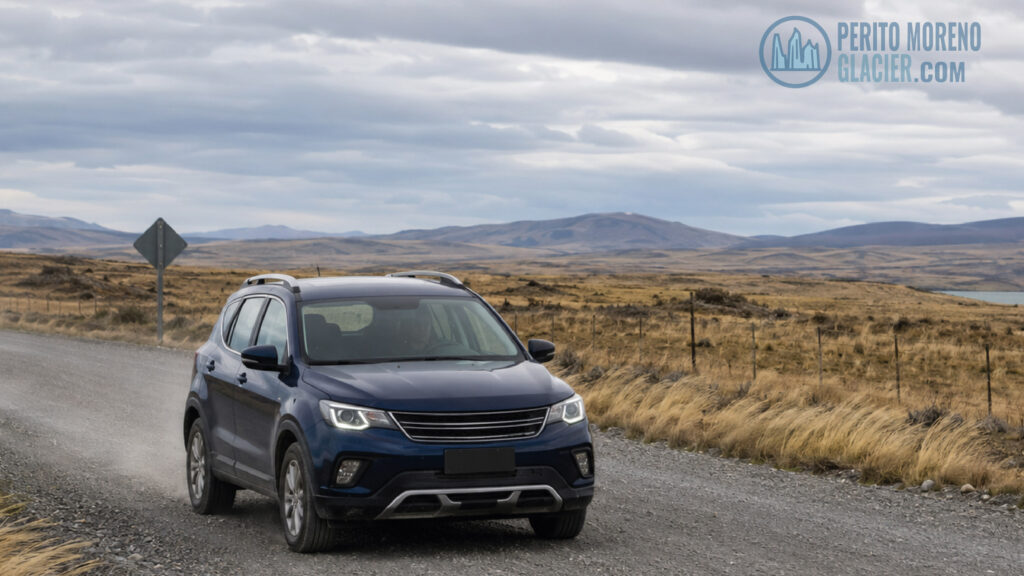
Under normal summer conditions, driving along the main routes around El Calafate is not particularly difficult. The roads connecting the town with the airport, Perito Moreno Glacier, Puerto Bandera and El Chaltén are paved.
The main challenges are not urban traffic or complicated intersections. Instead, drivers must manage:
- Strong and unpredictable wind
- Long distances without services
- Limited mobile coverage
- Gravel on secondary roads
- Wildlife near the highway
- Snow and ice during colder months
- Sudden changes in weather
- Driver fatigue caused by long, empty roads
Visitors who drive carefully, plan their fuel stops and check conditions before departure should have no difficulty reaching the principal attractions.
Argentinian & Chilean Patagonia: Ushuaia, El Calafate, El Chalten and Puerto Natales
Enjoy visiting Ushuaia and the end of the world... El Calafate and Perito Moreno Glacier... El Chalten and the Fitz Roy Mount and Puerto Natales and Torres del Paine National Park!
Main Roads Around El Calafate
Provincial Route 11
Provincial Route 11 is the most important road for visitors staying in El Calafate. It connects:
- El Calafate International Airport
- El Calafate town
- Puerto Bandera access
- Perito Moreno Glacier
- National Route 40
The road is paved along the standard tourist corridor.
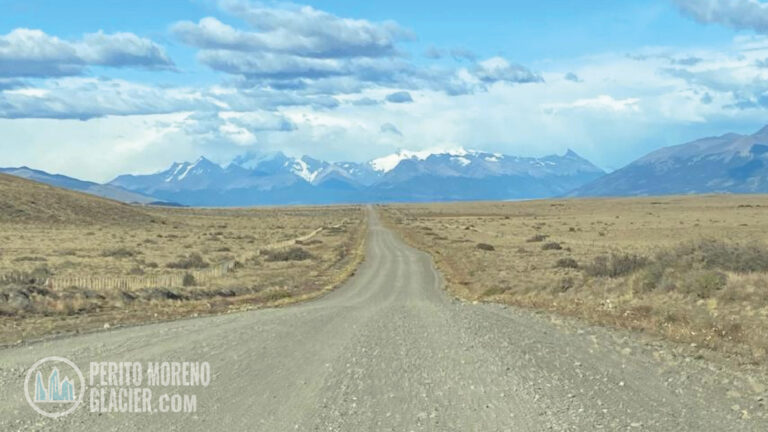
The eastern section crosses open steppe between the airport, National Route 40 and El Calafate. West of town, the route follows Lake Argentino before entering Los Glaciares National Park.
As the road approaches Perito Moreno Glacier, the landscape changes from dry steppe to Andean forest and mountain scenery.
National Route 40
National Route 40 is one of Argentina’s most famous highways. Near El Calafate, it is the principal north-south road used to reach:
- La Leona
- El Chaltén
- Gobernador Gregores
- La Esperanza
- Río Gallegos and other southern connections
Road quality varies considerably across the full length of Route 40. However, the standard corridor between El Calafate and the junction for El Chaltén is paved.
Do not assume that every distant section of Route 40 is in the same condition. Remote stretches elsewhere in Santa Cruz may include damaged pavement, roadworks or gravel.

El Calafate Standard Pass
This pass will save you money and organize your trip. A basic package of services for visiting El Calafate and Perito Moreno in 2, 3, or 4 days!
Provincial Route 41 to El Chaltén
The final section into El Chaltén follows Provincial Route 41. It is paved and offers spectacular views of the Fitz Roy and Cerro Torre massifs when the weather is clear.
The road can be exposed to:
- Strong crosswinds
- Ice during winter
- Snow accumulation
- Reduced visibility
- Wildlife near the roadside
There are long stretches without shops, mechanical assistance or reliable mobile coverage.
Roads to Lago Roca
Lago Roca is reached through roads south and west of El Calafate. Depending on the selected route, the journey may include Provincial Routes 15 and 60.
These roads contain gravel sections. Conditions can change after rain, snow, grading work or periods of heavy traffic.
The National Parks Administration confirms that Lago Roca can be approached either through RP 11 and RP 60 or directly along RP 15, with gravel included in both alternatives.
A regular vehicle can normally reach established visitor areas under favorable conditions, but drivers should confirm current road conditions first.
Big Ice & Estancia Cristina Adventure – 3 Nights
Enjoy visiting Perito Moreno Glacier, walking over the ice of the glacier and a wonderful trekking or horseback riding in a remote estancia in the national park

Important Driving Distances
El Calafate Airport to Town
El Calafate International Airport is approximately 23 kilometers from the town center. The drive normally takes around 20–30 minutes.
The route is paved and relatively simple. However, drivers arriving after a long flight should take extra care during strong wind or darkness.
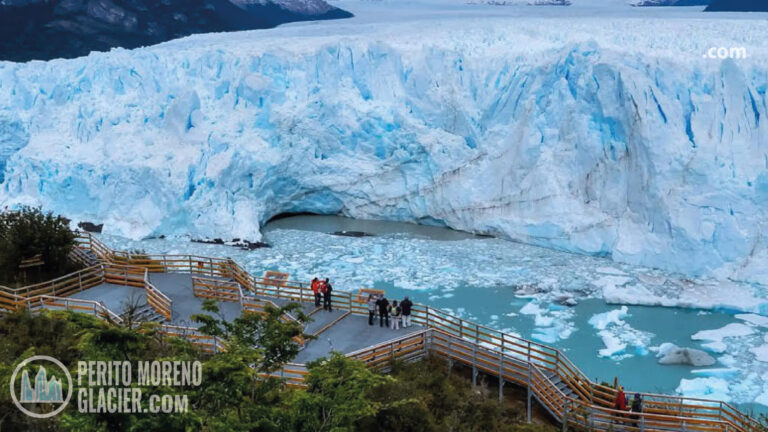
El Calafate to Perito Moreno Glacier
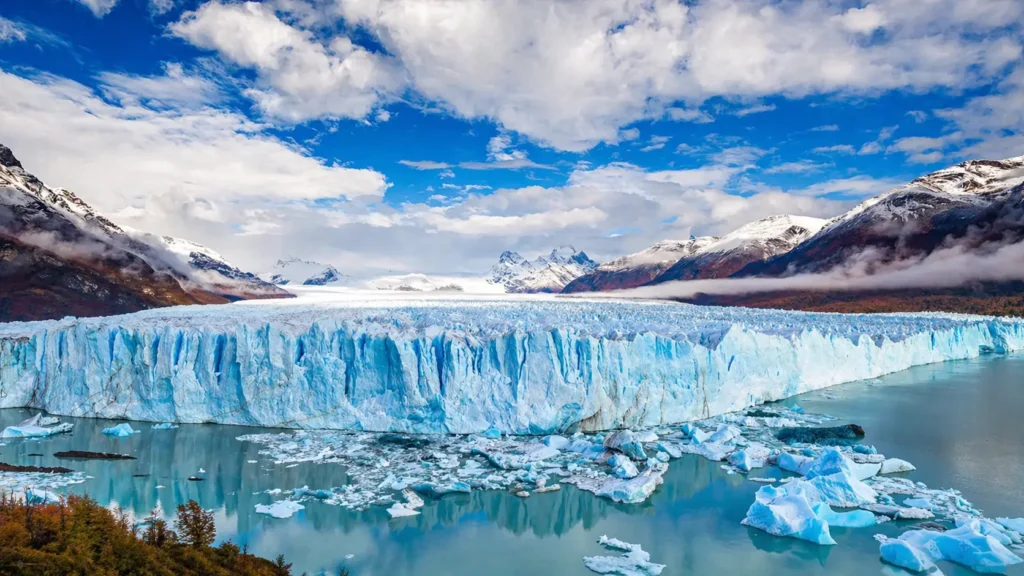
Perito Moreno Glacier is approximately 80 kilometers from El Calafate. Allow between 1 hour 15 minutes and 1 hour 30 minutes in each direction.
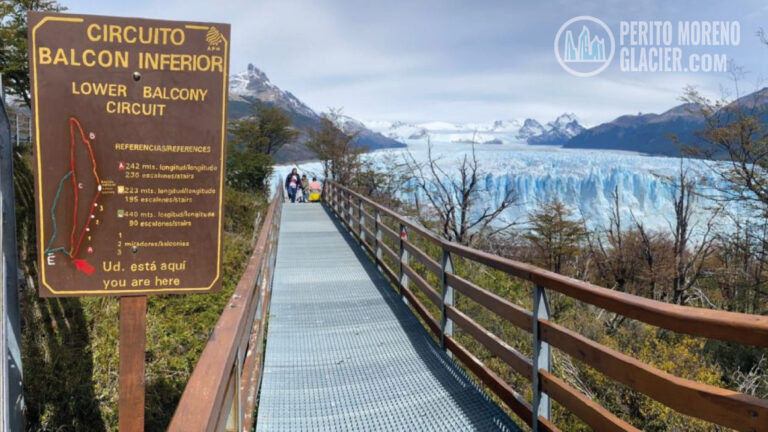
The National Parks Administration confirms that the glacier is reached from El Calafate along paved RP 11.
The drive may take longer if you stop at designated viewpoints.
El Calafate to Puerto Bandera
Puerto Bandera is approximately 47 kilometers from El Calafate. Access is through RP 11 and RP 8, both paved along the standard route.
Many glacier navigations depart from this port. Even when driving independently, arrive before the check-in deadline shown on your reservation.
El Calafate to Lago Roca
Lago Roca is approximately 50 kilometers from El Calafate, depending on the selected entrance and destination.
The journey can take longer than its distance suggests because of gravel, gates, wildlife and changing road conditions.
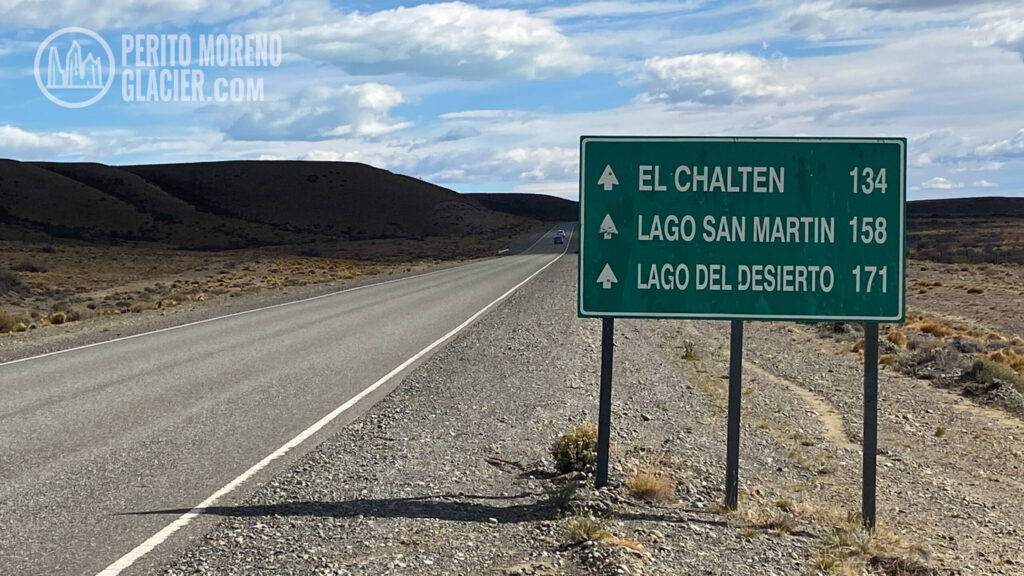
El Calafate to El Chaltén
El Chaltén is approximately 215–220 kilometers from El Calafate. The journey usually takes around three hours without long stops.
The National Parks Administration states that the entire connection between El Calafate and El Chaltén is paved.
Allow additional time for photographs at authorized viewpoints, especially near Lake Viedma.
El Calafate, Perito Moreno & Estancia Cristina – 4 Nights
A wonderful 4-night program to visit Perito Moreno Glacier from El Calafate and visit the Estancia Cristina in the national park!
Driving to Perito Moreno Glacier
The drive to Perito Moreno Glacier is the most popular independent road trip from El Calafate.
What Is the Road Like?
The road is paved and suitable for a regular compact vehicle. A four-wheel-drive car is not required under normal conditions.
The journey passes through several different landscapes:
- El Calafate’s urban outskirts
- Open Patagonian steppe
- The shores of Lake Argentino
- The Río Mitre area
- Southern beech forest
- Mountain and glacier viewpoints
The final section contains curves and changes in elevation. Reduce speed even when the road appears empty.
Park Opening Hours
The Mitre–Perito Moreno Glacier corridor currently operates according to seasonal hours:
- September 1 through April 30: entry from 8:00 a.m. to 6:00 p.m., with visitors permitted to remain until 8:00 p.m.
- May 1 through August 31: entry from 9:00 a.m. to 4:00 p.m., with visitors permitted to remain until 6:00 p.m.
Check the official park schedule before departure because operational conditions can change.
Where Can You Stop?
Use only designated viewpoints, parking areas and stable pullouts. Do not stop:
- In the traffic lane
- Immediately after a curve
- On a narrow shoulder
- Where visibility is limited
- In areas closed by park authorities
- Beside wildlife
A beautiful view is never a reason to make a dangerous stop.
Parking at the Glacier
There are two principal parking areas at Perito Moreno Glacier. The lower parking area is used by private vehicles, while the upper area serves eligible visitors with reduced mobility and other authorized passengers.
Follow the instructions of park employees when traffic is being directed.

Driving to El Chaltén
The journey between El Calafate and El Chaltén is scenic but longer and more isolated than the drive to Perito Moreno Glacier.
Allow More Time Than the Map Suggests
The drive normally takes approximately three hours, but you should allow additional time for:
- Rest stops
- Wind
- Road maintenance
- Winter conditions
- Photography
- Wildlife
- Slow vehicles
If you intend to complete a long hike after arrival, leave El Calafate very early or, preferably, spend at least one night in El Chaltén.
La Leona
La Leona is a traditional stopping point between El Calafate and El Chaltén. Services and opening arrangements can vary, so do not depend on it as your only source of food, fuel or assistance.
Carry what you need from El Calafate and consider intermediate services a convenience rather than a certainty.
Approaching El Chaltén
When visibility is clear, the final approach provides impressive views of Fitz Roy. Drivers must resist the temptation to stop suddenly or photograph the mountain from inside a moving vehicle.
Use established viewpoints and ensure the car is completely clear of traffic.
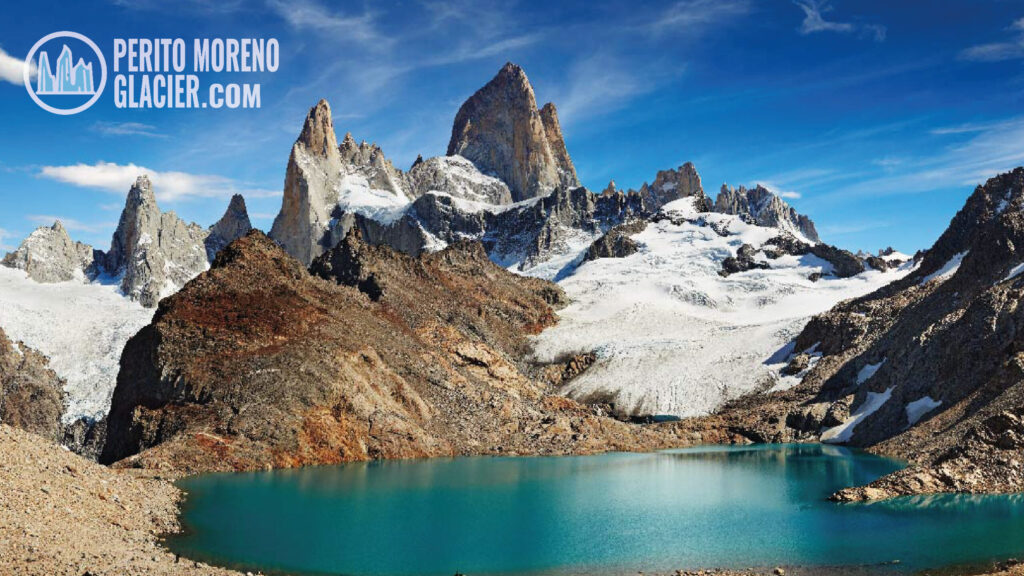
Fuel Stations Around El Calafate
El Calafate has fuel stations, and this is where most visitors should fill the tank before beginning a regional journey.
Fuel is also generally available in larger towns such as El Chaltén, Río Gallegos and Puerto Natales, but availability, queues and operating hours can vary.
The Best Patagonian Fuel Rule
Fill the tank whenever a reliable opportunity is available.
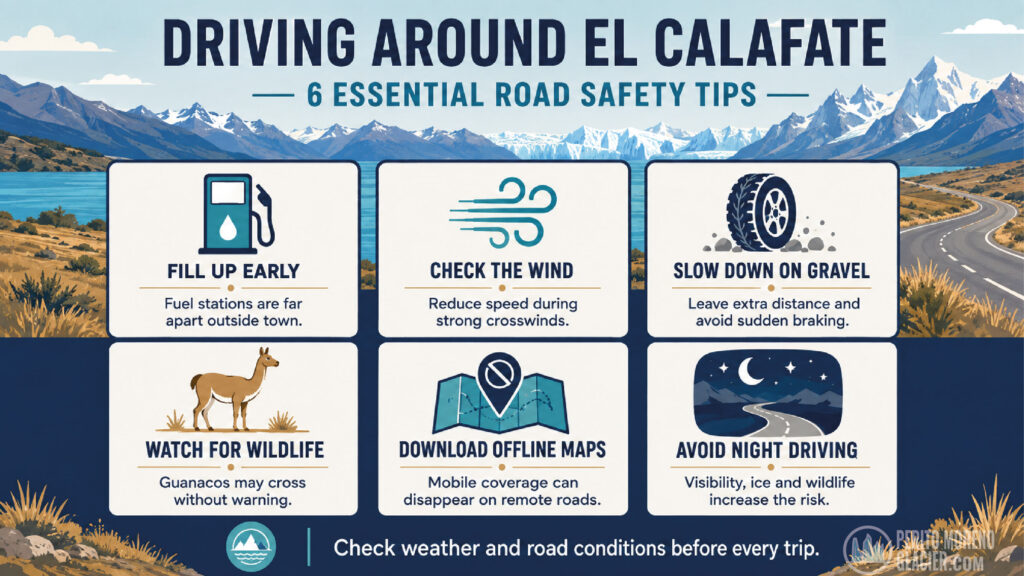
Do not wait for the low-fuel warning when leaving town. Distances are long, detours may be necessary and strong wind can increase consumption.
Before driving to El Chaltén, Lago Roca, Torres del Paine or a remote estancia:
- Fill the tank in El Calafate
- Check the expected driving distance
- Identify potential fuel stops
- Verify the vehicle’s range
- Confirm the fuel type
- Carry more than one payment method
- Ask about reported shortages
Can Fuel Stations Run Out?
Temporary shortages can occur in remote Patagonia, especially during high demand, severe weather or delivery disruptions.
A fuel station marked on an app does not guarantee that:
- It is open
- It accepts every card
- It has your required fuel
- It operates 24 hours
- Its pumps are functioning
Keep a comfortable reserve.
Should You Carry Extra Fuel?
Do not carry fuel in an improvised container. It creates a fire risk and may violate the rental agreement.
For standard trips to Perito Moreno Glacier, Puerto Bandera and El Chaltén, additional fuel should not be necessary if you begin with a full tank.
For a more remote itinerary, ask the rental company whether an approved fuel container is permitted and necessary.

Calafate Balcony Tour in a 4×4 Vehicle
Enjoy the amazing views of El Calafate and Lake Argentino in the Calafate Balcony.
Paying for Fuel
Many fuel stations accept Argentine pesos and major cards, but payment systems can fail during internet outages.
Carry:
- A valid payment card
- Some Argentine pesos
- Your passport or identification
- The vehicle’s correct fuel information
If you are unfamiliar with Argentine fuel stations, attendants normally fill the vehicle for you. Tell the attendant the fuel type and whether you want a specific amount or a full tank.
Check the fuel cap or rental agreement before filling the vehicle. Using the wrong fuel can cause serious mechanical damage that is unlikely to be covered by insurance.
Mobile Coverage and Navigation
Mobile reception is generally available in El Calafate and El Chaltén but becomes intermittent or nonexistent along remote sections.
Los Glaciares National Park notes that Wi-Fi is available at the restaurant in the Perito Moreno Glacier area, but the park does not provide a public telephone service.
Before leaving town:
- Download offline maps
- Save your destination’s coordinates
- Download hotel and rental-company details
- Take screenshots of reservations
- Carry a charging cable
- Bring a power bank
- Keep a paper map as backup
- Tell someone your planned route
Do not rely entirely on a navigation app’s fastest suggestion. It may select an unsuitable secondary road instead of a longer paved route.

El Calafate Half Day Tour & Visit to the Walichu Caves
Walk through history in El Calafate with a tour of ancient caves and historic town sites.
Driving in Strong Patagonian Wind
Wind is one of the most important hazards around El Calafate. It can arrive in powerful gusts and affect even experienced drivers.
How Wind Affects a Vehicle
Crosswinds are especially noticeable:
- On open sections of steppe
- Near lakes
- When passing trucks or buses
- After emerging from a protected cutting
- On exposed sections of Route 40
- In tall vans and SUVs
A sudden gust can push a vehicle sideways, even when the sky is clear and the road is dry.
How to Drive Safely in Wind
During strong wind:
- Reduce speed
- Keep both hands on the steering wheel
- Avoid abrupt corrections
- Increase the distance from other vehicles
- Pass large vehicles only when necessary
- Anticipate gusts in exposed areas
- Stop safely if control becomes difficult
Do not continue simply because other vehicles are moving faster.
Be Careful When Opening Doors
Strong wind can pull a vehicle door from your hand and damage its hinges.
Whenever possible:
- Park facing into the wind
- Hold the door firmly
- Help children open their doors
- Avoid opening two doors simultaneously
- Check for cyclists or traffic before opening
Wind-related door damage may not be covered by the rental company’s standard insurance.
Perito Moreno Glacier & Pristine Luxury Camp – 4 Nights
A wonderful 4-night program to visit Perito Moreno Glacier from El Calafate and finalizing with a glamping experience!
How to Drive on Gravel Roads
Gravel driving requires a different technique from driving on pavement.
Reduce Your Speed
Loose stones reduce traction and increase braking distance. A road may look smooth while hiding deep gravel, corrugations or potholes.
Drive at a speed that allows you to stop within the visible road ahead.
Increase Following Distance
Maintain additional distance from the vehicle in front. This provides more time to react and reduces the risk of stones striking your windshield.
Avoid Sudden Movements
On gravel:
- Brake progressively
- Accelerate gently
- Steer smoothly
- Avoid abrupt lane changes
- Do not enter curves too quickly
Hard braking can cause the wheels to lose grip.
Slow Down for Oncoming Vehicles
Reduce speed when another vehicle approaches. Loose stones can damage:
- Windshields
- Headlights
- Paintwork
- Side windows
Move safely to your side of the road without placing the wheels on a soft or unstable shoulder.
Do Not Drive in the Dust Cloud
If you encounter dust from another vehicle, slow down and increase the distance. Never overtake when visibility is insufficient.
Check Your Rental Agreement
Some rental policies exclude:
- Windshield damage
- Tire punctures
- Wheel damage
- Undercarriage damage
- Travel on unapproved gravel roads
- Off-road driving
Confirm the coverage before leaving the rental office.

El Calafate Full Day Boat Tour to enjoy glaciers – All Glaciers Excursion
Enjoy a boat tour navigation in the Argentino Lake and watch different glaciers!
Wildlife on Patagonian Roads
The apparently empty steppe supports a surprising amount of wildlife.
Drivers may encounter:
- Guanacos
- Lesser rheas
- Foxes
- Hares
- Sheep
- Horses
- Cattle
- Large birds
Guanacos
Guanacos frequently travel in groups and may stand beside the road. One animal can cross while others remain hidden behind a fence or slope.
If you see a guanaco:
- Reduce speed immediately
- Do not use the horn aggressively
- Watch both sides of the road
- Expect additional animals
- Stop if necessary
- Do not leave the vehicle to approach it
A guanaco may suddenly change direction.
Livestock
Estancia roads may cross areas with sheep, cattle or horses. Gates and cattle grids are also common on secondary roads.
If you open an authorized gate, leave it exactly as you found it. Never enter private land without permission.
Why You Should Avoid Driving at Night
Night driving is not recommended outside the main towns.
Risks include:
- Wildlife on the road
- Livestock
- Ice that is difficult to see
- Reduced visibility during wind or snow
- Limited lighting
- Few open services
- Delayed emergency assistance
- Driver fatigue
Santa Cruz road authorities have specifically advised travelers to avoid nighttime journeys during adverse winter conditions and to consult the official road report before departure.
Plan to arrive before sunset, particularly when traveling on gravel or during winter.
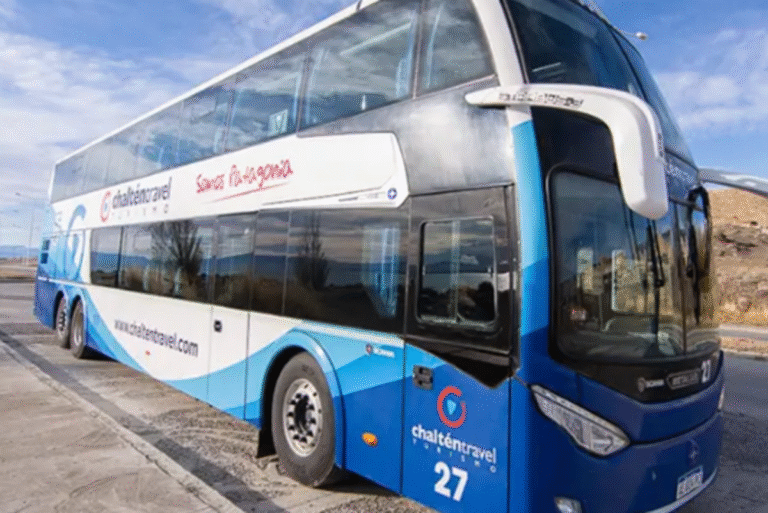
El Calafate to El Chaltén Bus Ticket
Daily bus service between El Calafate and El Chaltén with several operators and flexible schedules.
Winter Driving Around El Calafate
From approximately May through September, driving requires additional preparation.
Possible winter hazards include:
- Snow
- Black ice
- Frozen bridges
- Reduced daylight
- Road closures
- Limited visibility
- Strong wind
- Snow accumulation on shoulders
Road crews conduct snow removal and distribute salt along routes including the El Calafate–El Chaltén corridor. However, maintenance does not eliminate the need for caution.
Check Conditions Before Every Trip
A road that was clear the previous afternoon may be icy the following morning.
Before departure:
- Consult official road reports
- Check the local weather forecast
- Ask your hotel or rental company
- Verify that the destination is open
- Confirm whether chains are mandatory
- Delay the journey if authorities advise against travel
Winter Tires and Chains
Ask the rental company whether the vehicle has:
- Winter or studded tires
- Snow chains
- Antifreeze
- An ice scraper
- A working heater and defroster
- Emergency equipment
Do not wait until you are on an icy road to learn how the chains work. Ask for a demonstration at the rental office.
Black Ice
Black ice can be almost invisible. It is particularly likely:
- Early in the morning
- After sunset
- On bridges
- In shaded curves
- Near water
- After snowmelt refreezes
Reduce speed and avoid sudden braking or steering.
Both Sides of Southern Patagonia: El Calafate & Puerto Natales
Wonderful 6-night program to combine El Calafate and Perito Moreno Glacier with Puerto Natales and Torres del Paine National Park
Essential Equipment for the Car
Before beginning a longer journey, check that the vehicle contains:
- Spare tire
- Jack and wheel wrench
- Warning triangle
- Reflective safety equipment
- Snow chains when required
- First-aid supplies
- Rental-company emergency details
- Vehicle documentation
- Insurance documents
It is also sensible to carry:
- Drinking water
- Snacks
- Warm clothing
- Gloves and a hat
- Blanket
- Flashlight
- Charging cable
- Power bank
- Offline maps
- Basic medication
Do not leave the warm clothing inside luggage that is difficult to reach.
Calafate Balcony Tour in a 4×4 Vehicle
Enjoy the amazing views of El Calafate and Lake Argentino in the Calafate Balcony.
Before Leaving the Rental Office
Inspect the vehicle carefully and photograph:
- Every exterior panel
- Windshield
- Wheels and tires
- Roof
- Bumpers
- Interior
- Fuel gauge
- Odometer
Confirm:
- The correct fuel type
- Tire pressure
- Spare-tire condition
- Insurance deductible
- Gravel-road restrictions
- Roadside-assistance coverage
- Emergency contact number
- Return-fuel policy
- Permission for Chile, if applicable
Make sure all existing damage appears on the rental agreement.
Big Ice & Estancia Cristina Adventure – 3 Nights
Enjoy visiting Perito Moreno Glacier, walking over the ice of the glacier and a wonderful trekking or horseback riding in a remote estancia in the national park
Crossing into Chile
Travelers driving to Torres del Paine or Puerto Natales must cross an international border.
A rental vehicle requires advance authorization. You may need:
- Written permission from the rental company
- International insurance valid in Chile
- Customs documentation
- Vehicle registration documents
- Passport or eligible identity document
- Any visa required for Chile
Do not arrive at the border assuming the rental company can email the documents immediately. Cross-border permits usually need to be prepared in advance.
Fuel, weather and opening hours should also be checked before the journey.
Parking and Roadside Stops
In El Calafate
Parking is generally easier than in a large city, although the center can become busy during summer evenings.
Observe:
- No-parking signs
- Driveway entrances
- Bus areas
- Reserved spaces
- Temporary restrictions
Do not leave passports, cameras, money or visible luggage inside the vehicle.
At Perito Moreno Glacier
Designated parking is available near the walkways. Follow park staff instructions and use the appropriate area.
At Scenic Viewpoints
Stop only where the vehicle can leave the road completely. Avoid soft shoulders, blind curves and narrow bridges.
Do not step onto the road to take photographs.
Complete Tour to Perito Moreno Glacier: Boat Navigation & Lunch
Enjoy a Perito Moreno Glacier tour from el Calafate in a full day, with lunch and boat navigation included
What to Do If the Car Breaks Down
If the vehicle develops a problem:
- Move it completely off the road if possible
- Switch on the hazard lights
- Place the warning triangle at a safe distance
- Put on reflective equipment
- Keep passengers away from traffic
- Contact the rental company
- Share your location when coverage is available
- Remain sheltered if weather conditions are severe
Do not attempt a complex repair unless you are qualified and authorized by the rental company.
If there is no mobile signal, remain with the vehicle unless walking is clearly safer and help is visibly nearby. A vehicle provides shelter and is easier for rescuers to identify.
For an immediate emergency in Argentina, call 911 when a signal is available.
If You Become Stranded in Snow
National road authorities recommend remaining with the vehicle, keeping the exhaust pipe clear and using the heater intermittently while awaiting assistance.
Additional precautions include:
- Do not leave the vehicle in a blizzard
- Keep a window slightly open when the engine is running
- Clear snow from the exhaust
- Conserve fuel
- Make the vehicle visible
- Keep everyone warm and dry
- Follow instructions from road authorities
Never use an open flame inside the vehicle.
Beagle Channel Navigation: Sea Lions Island + Martillo Island Penguin Rookery
Enjoy a wonderful Beagle Channel Navigation from Ushuaia including the penguin rookery of Martillo Island
Common Driving Mistakes to Avoid
Starting with a Partially Empty Tank
A short-looking route can become much longer after a detour or weather delay.
Trusting Mobile Navigation Completely
The fastest digital route may use a poor secondary road.
Driving Too Fast on Gravel
An SUV does not guarantee traction or immunity from tire and windshield damage.
Stopping in the Traffic Lane for Photographs
Patagonian roads can appear empty, but another vehicle may arrive quickly.
Underestimating the Wind
Clear skies do not necessarily mean easy driving conditions.
Planning a Long Journey After a Full-Day Hike
Fatigue affects reaction time. Stay overnight instead of driving three hours back to El Calafate after a demanding trek.
Assuming Every Service Station Is Open
Fuel availability and electronic payment systems should never be taken for granted in remote areas.
Leaving Loose Objects Outside the Car
Wind can carry maps, hats, documents and light luggage within seconds.
A Practical Pre-Drive Checklist
Before every journey around El Calafate:
- Check weather and road conditions
- Fill the fuel tank
- Confirm the planned route
- Download offline maps
- Inspect the tires
- Carry water and warm clothing
- Charge your phone
- Confirm park opening hours
- Tell someone your destination
- Plan to arrive before dark
- Secure loose luggage
- Keep rental and insurance documents accessible
These preparations take only a few minutes and can prevent significant problems.
Complete Tour to Perito Moreno Glacier: Boat Navigation & Lunch
Enjoy a Perito Moreno Glacier tour from el Calafate in a full day, with lunch and boat navigation included
Frequently Asked Questions
Are the Roads Around El Calafate Paved?
The principal roads to the airport, Perito Moreno Glacier, Puerto Bandera and El Chaltén are paved. Lago Roca and secondary attractions may require driving on gravel.
Do You Need a 4×4?
Not for the standard El Calafate–Perito Moreno Glacier–El Chaltén circuit under normal conditions. A crossover or SUV may be more comfortable on gravel, but it is not essential for the main paved routes.
Is It Safe to Drive to Perito Moreno Glacier?
Yes, under normal conditions. The road is paved, but drivers must consider curves, wind, wildlife and winter ice.
Are There Fuel Stations at Perito Moreno Glacier?
Do not plan on filling the vehicle at the glacier. Begin the journey with sufficient fuel from El Calafate.
Can You Buy Fuel in El Chaltén?
Fuel is generally available, but supply and queues can vary. Fill the tank in El Calafate and avoid arriving with an almost empty tank.
Is Mobile Coverage Available?
Coverage is usually available in the towns but may disappear on remote roads. Download maps before leaving.
Can You Drive at Night?
It is possible but not recommended outside the towns because of wildlife, ice, poor visibility and limited assistance.
Is Gravel Driving Allowed in a Rental Car?
That depends on the rental agreement. Confirm which roads are authorized and whether windshield, tire and undercarriage damage are covered.
Are Snow Chains Necessary?
They may be required during winter conditions. Check current road instructions and make sure the rental company supplies the appropriate equipment.
Can You Drive to Torres del Paine?
Yes, but the vehicle must be authorized to enter Chile. International insurance and customs documents must be arranged in advance.
Final Driving Advice
Driving around El Calafate is generally manageable and can provide exceptional freedom. The main tourist corridors are paved, traffic is usually light and the landscapes are unforgettable.
However, light traffic should not create a false sense of security. Patagonia demands respect for distance, weather and isolation.
Begin with a full tank, reduce speed during strong wind, drive carefully on gravel, watch continuously for wildlife and avoid traveling after dark. During winter, check the official road report every day and postpone the journey when conditions are unfavorable.
With sensible preparation, driving can become one of the most memorable parts of an El Calafate itinerary.
Amazing Patagonia: Ushuaia, El Calafate & Torres del Paine National Park
Book this amazing tour including Ushuaia, El Calafate, and the unique Torres del Paine National Park
El Calafate, Perito Moreno & Estancia Cristina – 4 Nights
A wonderful 4-night program to visit Perito Moreno Glacier from El Calafate and visit the Estancia Cristina in the national park!