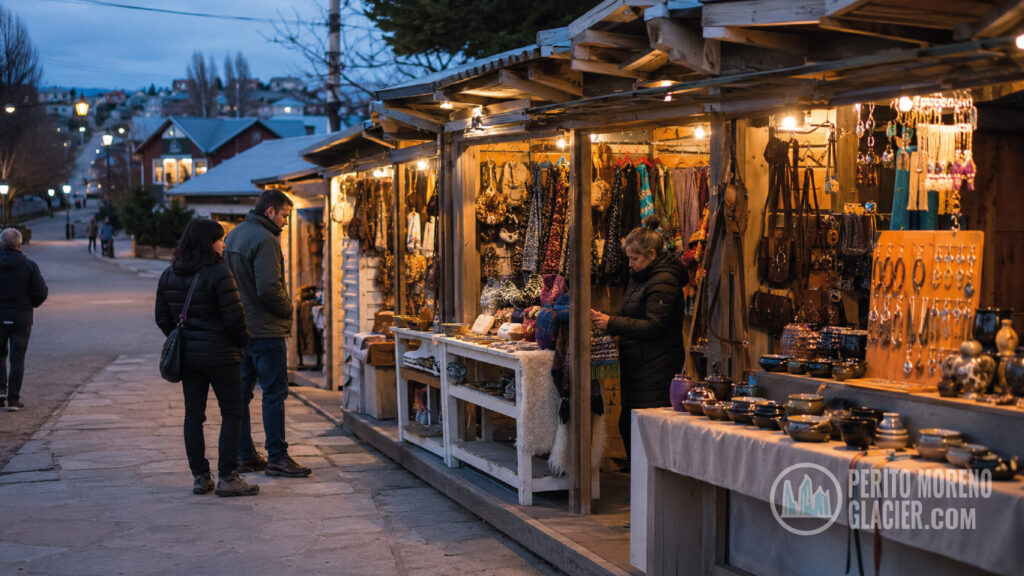
El Calafate offers more than glacier magnets and mass-produced T-shirts. Travelers can find wool textiles, leather accessories, ceramics, jewelry, paintings, woodwork and packaged products made with calafate berries. The best-known place to compare local crafts is the Paseo de los Artesanos on Avenida del Libertador, while the main commercial streets, chocolate shops, museum stores and estancia gift areas add other choices.
This guide explains what is genuinely connected to Patagonia, where to shop, how to distinguish handmade work from generic souvenirs and what U.S.-bound travelers should check before packing food, leather, wood or other natural materials.
The Best Souvenirs to Buy in El Calafate
Wool and Handwoven Textiles
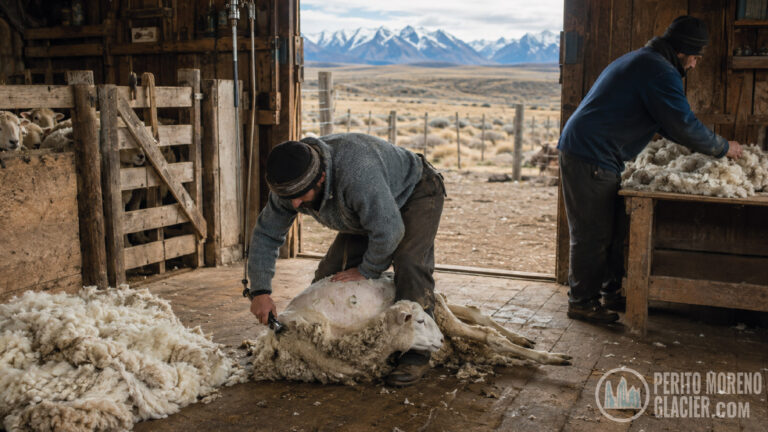
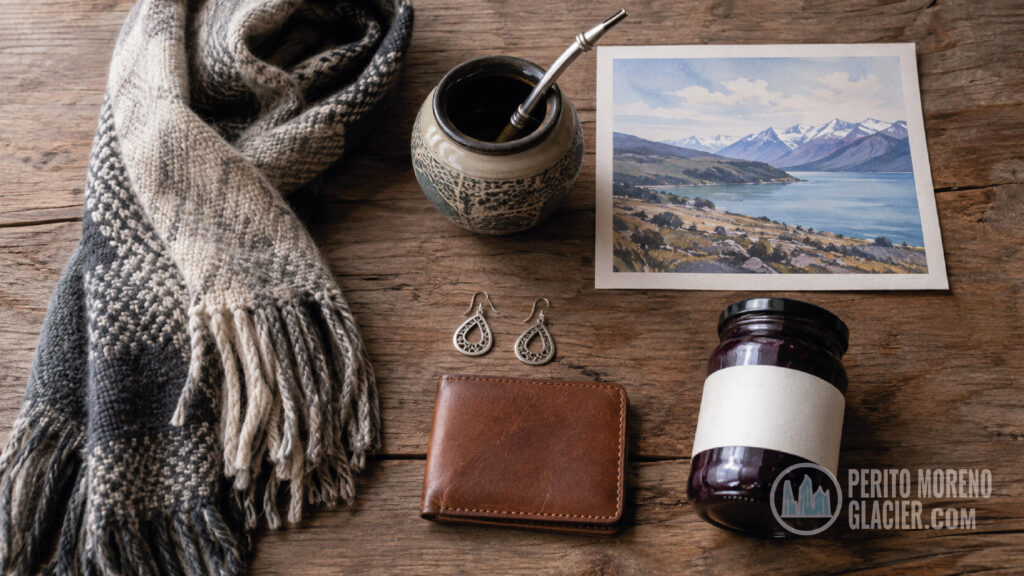
Sheep ranching is central to Santa Cruz history, so wool has a real connection with the region. At artisan stalls you may find scarves, hats, gloves, ponchos, small woven pieces and home textiles made with knitting needles, crochet or a loom.
Ask who made the item, what fiber it contains and whether it was produced locally. “Patagonian style” does not necessarily mean Patagonian wool or local manufacture.
Leather Goods
The official El Calafate Tourism Office describes wallets, belts, document holders, mate bags, purses and hats among the leather items sold by artisans. Look at the stitching, edges, closures and thickness of the material, and ask what animal species was used.
Keep the receipt and any label identifying the material. This is especially important when crossing an international border.
Argentinian & Chilean Patagonia: Ushuaia, El Calafate, El Chalten and Puerto Natales
Enjoy visiting Ushuaia and the end of the world... El Calafate and Perito Moreno Glacier... El Chalten and the Fitz Roy Mount and Puerto Natales and Torres del Paine National Park!

Ceramics and Small Sculptures
Ceramic vessels, figurines, incense burners and decorative pieces are easy to display at home and can reflect local colors or landscapes. Pack fragile objects in clothing or request protective wrapping, then place them where baggage weight will not crush them.
Jewelry and Stonework
Artisans work with silver or alpaca metal and a variety of stones. The official municipal description mentions pieces using rhodochrosite, onyx, lapis lazuli, fluorite, tiger’s eye, agate, malachite, Andean opal and amethyst.
Ask whether the stone is Argentine, Patagonian or imported; these are not equivalent claims. Request a receipt that describes valuable materials rather than relying only on a verbal explanation.
Paintings, Prints and Photography
Watercolors, oils, relief works, illustrations and photographic prints can be more personal than a standard souvenir. Subjects commonly include glaciers, Lago Argentino, the steppe and local wildlife.
For an original, ask whether the work is signed, if it is one of a series and whether the artist is based in El Calafate. For prints, check the dimensions before buying so you know whether a standard frame will fit.
Cabalgata Experience: Canyon and Horseback Riding
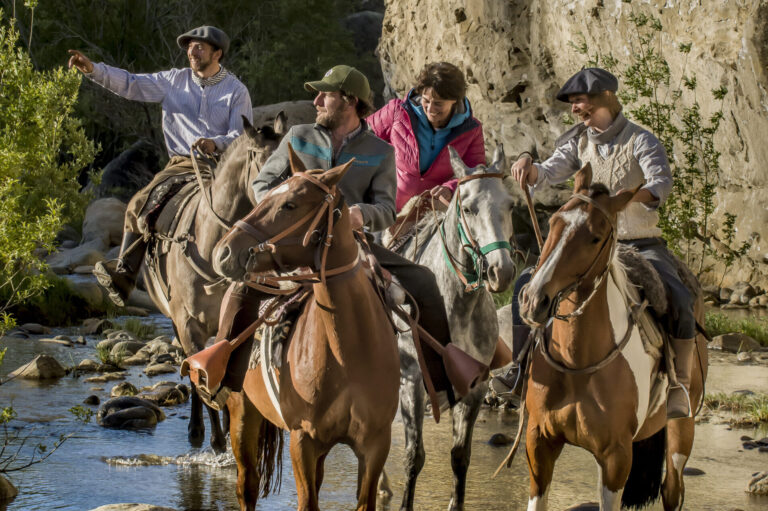
Ride through Patagonia’s canyons, discover gaucho history, and enjoy a countryside lunch at Estancia 25 de Mayo.
Woodwork
Small carvings and objects made from local-looking woods are popular, but verify the species and origin. Avoid pieces with bark, visible insect holes, loose plant material or soil. U.S. agricultural inspectors can restrict natural-material souvenirs, and the final decision is made at entry.
Calafate-Berry Products and Chocolate
Calafate berries appear in jams, sweets, liqueurs, sauces and chocolates. These are practical gifts because they connect directly with the town’s name and local legend.
Choose sealed, commercially labeled products, check the expiration date and keep the original packaging and receipt. Travelers returning to the United States must declare agricultural products and should verify current rules before purchase.
Mate Accessories
A mate cup, bombilla or textile/leather mate carrier is recognizably Argentine and often easier to use at home than a decorative object. Ask what the cup is made from: wood, gourd, ceramic, metal and leather can be treated differently at borders. A fully processed ceramic or metal set may be simpler for international travel than raw plant material.
Where to Buy Souvenirs in El Calafate
Paseo de los Artesanos
The official municipal tourism site places the artisan market at Avenida del Libertador around number 1120, beside Correo Argentino. Stalls offer painting, sculpture, leather, ceramics, stone jewelry and wool work.
The paseo is commonly more active from late afternoon into the evening, but hours vary with season and individual artisans. Ask your hotel or the tourism office about the current day rather than assuming every stall opens in the morning.
Avenida del Libertador and the Town Center
El Calafate’s main avenue has souvenir shops, outdoor-clothing stores, galleries, chocolate shops and regional-product businesses.
It is convenient for evening shopping after an excursion, and the existing guide to nightlife in El Calafate includes this after-tour option.
Commercial schedules are seasonal. The municipal practical-advice page notes split hours in parts of winter and continued Sunday activity in many souvenir shops and supermarkets, particularly during summer. Treat published times as a general pattern and check the individual store.
Chocolate and Regional Food Shops
Specialist stores are the most practical places to compare packaging, ingredients, sizes and expiration dates for calafate jam, chocolate and liqueur. If the gift will travel internationally, prioritize sealed products with a printed ingredient list and country of origin.
Museums, Visitor Centers and Cultural Spaces
Museum or visitor-center shops may sell books, maps, educational material and curated designs connected with glaciers and regional history. Their strength is context rather than the widest selection.
Estancias
An estancia visit may include wool items, regional foods or products linked with rural life. Buying there can make the object more meaningful because the traveler has seen the landscape and traditions behind it. Availability is limited and should not be assumed as part of every excursion.
Argentinian & Chilean Patagonia: Ushuaia, El Calafate, El Chalten and Puerto Natales
Enjoy visiting Ushuaia and the end of the world... El Calafate and Perito Moreno Glacier... El Chalten and the Fitz Roy Mount and Puerto Natales and Torres del Paine National Park!
Handmade or Mass-Produced? A Quick Authenticity Test
Ask five questions before buying:
- Who made it?
- Was it made in El Calafate, elsewhere in Santa Cruz or outside Patagonia?
- What materials were used?
- Is this an original, a limited print or a factory-produced object?
- Can the seller include the maker and material on the receipt?
Small variations, tool marks and a clear maker’s story support—but do not prove—handmade origin. A polished sales explanation is not the same as traceability. Buy the object you genuinely like, but pay an “artisan” premium only when the seller can explain its origin.
What Makes a Good El Calafate Souvenir?
| Traveler priority | Good choices | Why |
|---|---|---|
| Easy to pack | Small print, textile, jewelry, sealed chocolate | Low volume and relatively simple protection |
| Strong local connection | Wool work, local art, calafate product | Linked to regional landscape, history or ingredients |
| Useful at home | Scarf, wallet, mate set, ceramic cup | Memory becomes part of daily life |
| Gift for several people | Commercially sealed chocolates or small prints | Easier to divide and transport |
| One meaningful purchase | Signed artwork or documented artisan piece | Personal authorship and provenance |
Payment, Receipts and Packing
Cards are widely accepted at established El Calafate businesses, but a small artisan stall may prefer another method or experience temporary connectivity problems. Ask before choosing several items.
The site’s guide to credit-card use around El Calafate and Perito Moreno Glacier provides broader payment context.
Request a receipt for expensive pieces and anything made from natural material. Photograph the item and receipt before packing. For fragile purchases, use rigid protection and keep the object away from the edges of checked luggage.
Do not quote fixed souvenir prices in advance. Argentina’s prices and exchange conditions can change rapidly, and handmade work varies greatly by size, material and labor.
Bringing Souvenirs Back to the United States
U.S. travelers must declare agricultural and wildlife products. USDA guidance specifically warns that souvenirs made from wood, plant material, animal products or other natural materials may be inspected, restricted or require documentation. A product being legally sold in Argentina does not automatically mean it can enter the United States.
Safer Habits
- Keep receipts and original packaging.
- Ask the seller to identify the material and species.
- Declare food, leather, wood, plant and wildlife-derived products.
- Avoid raw wood with bark, soil, seeds or untreated plant material.
- Do not assume packaged meat can be brought home.
- Check USDA APHIS and U.S. Customs guidance shortly before flying, because rules and animal-health restrictions can change.
As long as agricultural products are declared, inspectors can assess them at entry. The final admissibility decision belongs to U.S. authorities, not the shop or this travel guide.
Cabalgata Experience: Canyon and Horseback Riding
Ride through Patagonia’s canyons, discover gaucho history, and enjoy a countryside lunch at Estancia 25 de Mayo.
Souvenirs to Avoid
- Items represented as archaeological, paleontological or protected natural material without clear legal documentation.
- Feathers, bones, shells or wildlife parts of uncertain species.
- Raw plant products, seeds, soil or untreated wood bought without checking destination-country rules.
- “Local” crafts whose seller cannot identify the maker or origin when charging an artisan premium.
- Fragile or oversized objects that cannot be transported safely.
Never remove stones, plants, wood, fossils or other natural material from Los Glaciares National Park. A souvenir should be purchased legally, not collected from a protected landscape.
A Practical Shopping Plan
Use one early evening after a tour to walk Avenida del Libertador and the Paseo de los Artesanos. Compare before purchasing, note the stall or store you prefer and return after deciding what will fit in your luggage.
On the final day, buy food products only after checking baggage rules, border requirements and expiration dates. Leave time for protective packing instead of adding fragile pieces minutes before an airport transfer.
Final Advice
The best souvenir from El Calafate is not necessarily the one with the largest glacier image. A small signed print, a well-made wool piece, a documented artisan object or a sealed calafate product can express the destination more honestly and travel more easily.
Build shopping into the itinerary rather than treating it as an airport emergency. PeritoMorenoGlacier.com can help position free time in town around excursion schedules, while the purchase, material verification and customs declaration remain the traveler’s responsibility
El Calafate, Perito Moreno & Estancia Cristina – 4 Nights
A wonderful 4-night program to visit Perito Moreno Glacier from El Calafate and visit the Estancia Cristina in the national park!
El Calafate, El Chalten & Puerto Natales – 7 Nights Tour Package
Discover the best of Patagonia with El Calafate and Perito Moreno Glacier; El Chalten and the Fitz Roy Mount and Puerto Natales and Torres del Paine National Park!

Glamping Lovers: El Calafate + El Chalten Luxury Camp Program
Discover El Calafate and El Chalten staying only in luxury camps. Visit Perito Moreno Glacier and enjoy the Fitz Roy massif!