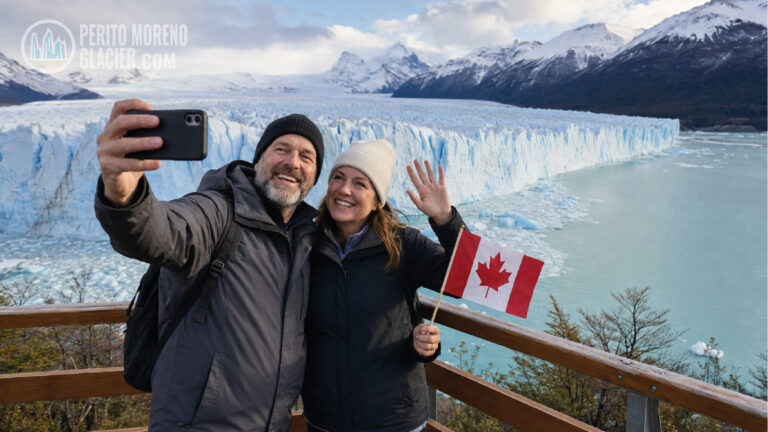
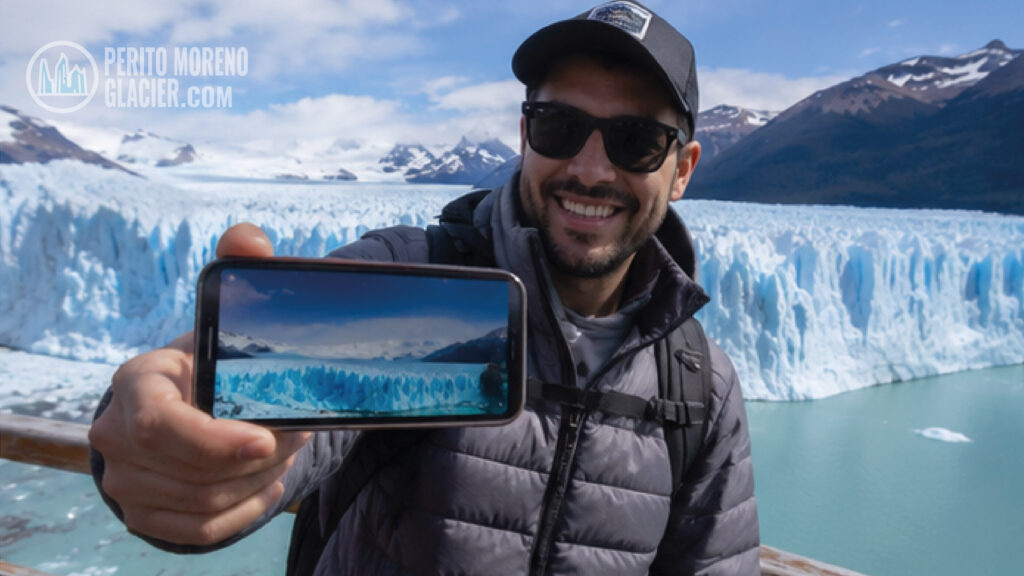
Glaciers are among the most spectacular natural landscapes on Earth, yet they can also be surprisingly difficult to photograph. Bright white ice, deep blue crevasses, reflections, changing weather and strong contrasts often challenge even the latest smartphone cameras.
Fortunately, modern smartphones are capable of producing incredible glacier photography when used correctly. Whether you’re visiting Perito Moreno Glacier in Patagonia, Iceland’s glaciers, Alaska, New Zealand or the Canadian Rockies, these practical techniques will help you capture sharper, more dramatic images.
Why Glaciers Are Difficult to Photograph
Unlike forests or cities, glaciers present unique photographic challenges.
The brightest areas of the ice can easily become overexposed, while darker crevasses and shadows may lose detail. Snow, clouds and reflective water can also confuse your phone’s automatic exposure.
Understanding these challenges is the first step toward taking professional-looking photos.
Both Sides of Southern Patagonia: El Calafate & Puerto Natales
Wonderful 6-night program to combine El Calafate and Perito Moreno Glacier with Puerto Natales and Torres del Paine National Park
Clean Your Camera Lens Before Every Session
This may sound obvious, but it is probably the most overlooked photography tip.
A fingerprint or a small amount of dust can dramatically reduce image quality, especially when photographing bright ice.
Before taking photos:
- Wipe the lens with a microfiber cloth.
- Avoid using clothing or tissues that may scratch the lens.
- Repeat the process several times during the day if conditions are windy or wet.
This simple habit can noticeably improve image sharpness.
Use the Main Camera Instead of Digital Zoom
Digital zoom reduces image quality because it crops the picture rather than bringing the subject physically closer.
Instead:
- Walk closer whenever possible.
- Take the photo without zooming.
- Crop the image later if needed.
If your smartphone has multiple optical lenses, switch to the telephoto lens rather than using digital zoom.
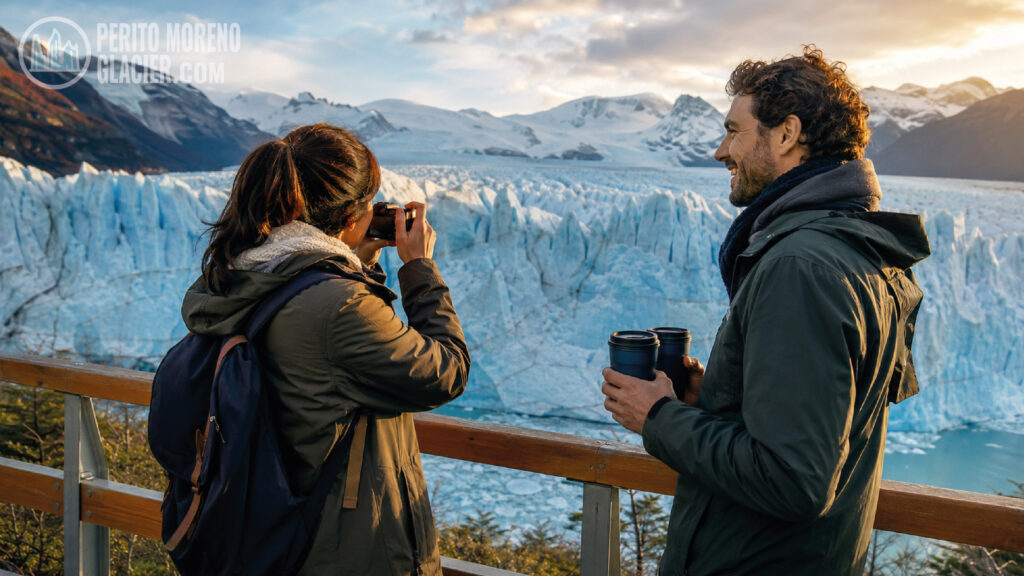
Tap to Set the Correct Exposure
Most smartphones automatically choose an exposure based on the entire scene.
When photographing glaciers, this often causes the ice to appear too bright.
Instead:
- Tap directly on the glacier.
- If available, slightly reduce the exposure using the brightness slider.
- Check that details remain visible in the brightest parts of the ice.
This simple adjustment usually produces much richer blue tones.
Take Advantage of HDR Mode
High Dynamic Range (HDR) helps balance scenes with bright highlights and dark shadows.
HDR is particularly useful when photographing:
- Ice cliffs
- Glacial lakes
- Mountains behind the glacier
- Forests bordering the ice
However, avoid HDR if people or wildlife are moving quickly, as ghosting can occur.
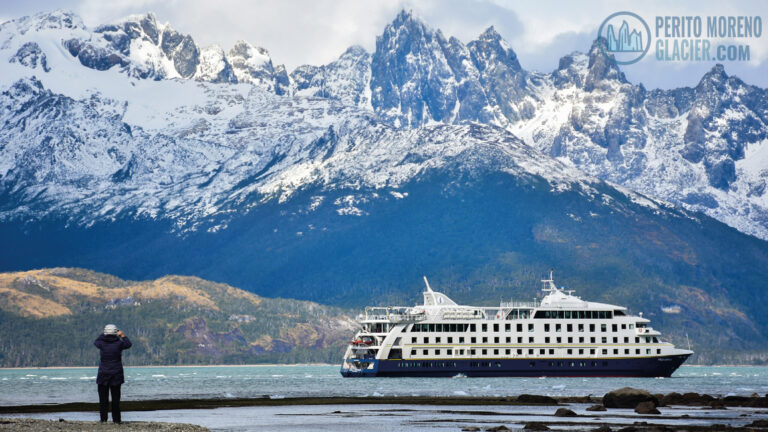
Australis Expedition Cruise from Ushuaia to Punta Arenas – 1 Night Free
Embark on a 4-Night Cruise to Discover the Unique Landscapes of Remote Patagonia - Plus, Enjoy a Free Night's Stay!
Shoot in RAW Format If Your Phone Supports It
Many recent smartphones allow you to capture RAW images through the native camera app or professional photography apps.
RAW files retain much more information than standard JPEGs, making it easier to:
- Recover highlights
- Brighten shadows
- Adjust white balance
- Preserve natural blue ice colors
If you enjoy editing your travel photos, RAW is worth using.
Experiment with Different Angles
Many visitors photograph glaciers only from eye level.
Instead, try changing your perspective.
Photograph from a Lower Position
Crouching slightly can:
- Make ice walls appear taller.
- Emphasize foreground textures.
- Add depth to the image.
Include Foreground Elements
Objects in the foreground help create a stronger sense of scale.
Examples include:
- Icebergs
- Rocks
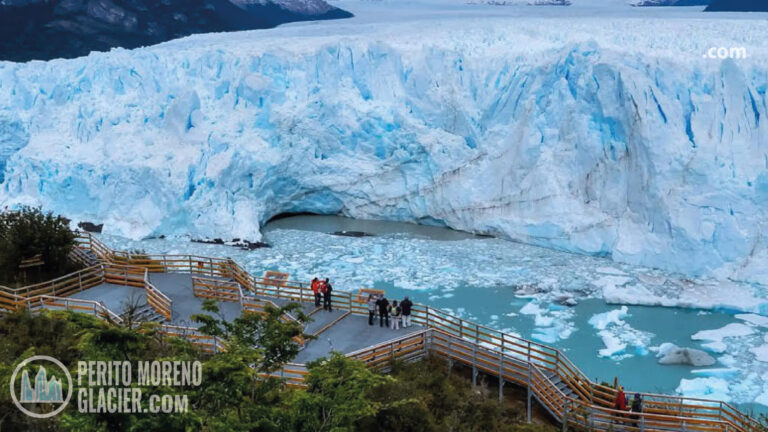
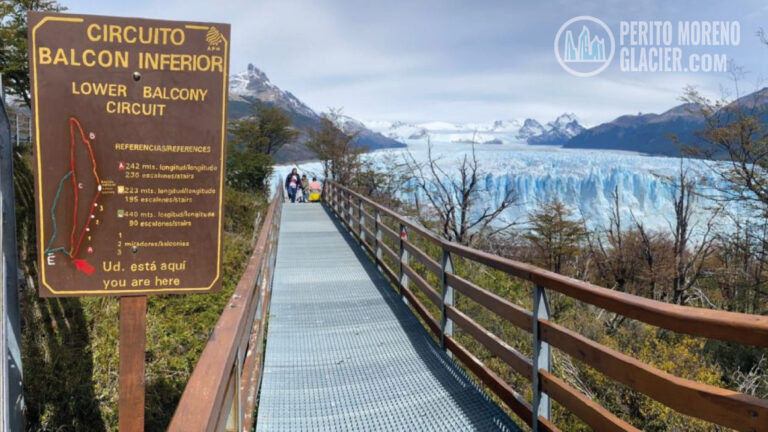
- Boardwalks
- Vegetation
- Viewing platforms
These elements naturally guide the viewer’s eye toward the glacier.
Both Sides of Southern Patagonia: El Calafate & Puerto Natales
Wonderful 6-night program to combine El Calafate and Perito Moreno Glacier with Puerto Natales and Torres del Paine National Park
Capture the Texture of the Ice
Glaciers are much more than large white walls.
Look closely for:
- Blue ice
- Cracks
- Air bubbles
- Vertical ice towers
- Meltwater channels
- Sculpted ice formations
Moving closer—or using your phone’s telephoto lens—can reveal fascinating details.
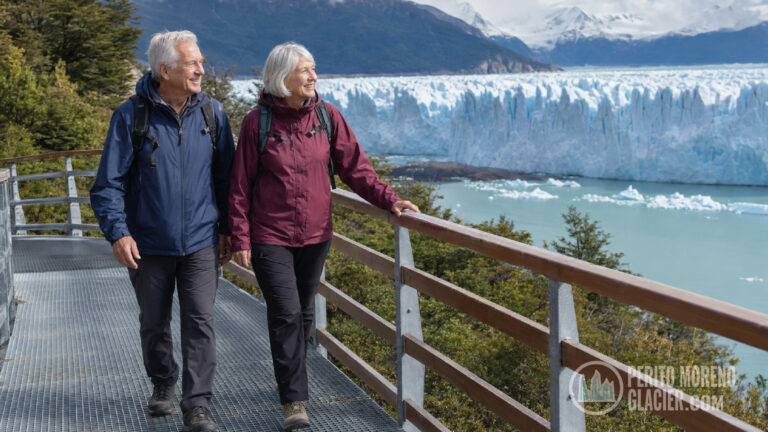
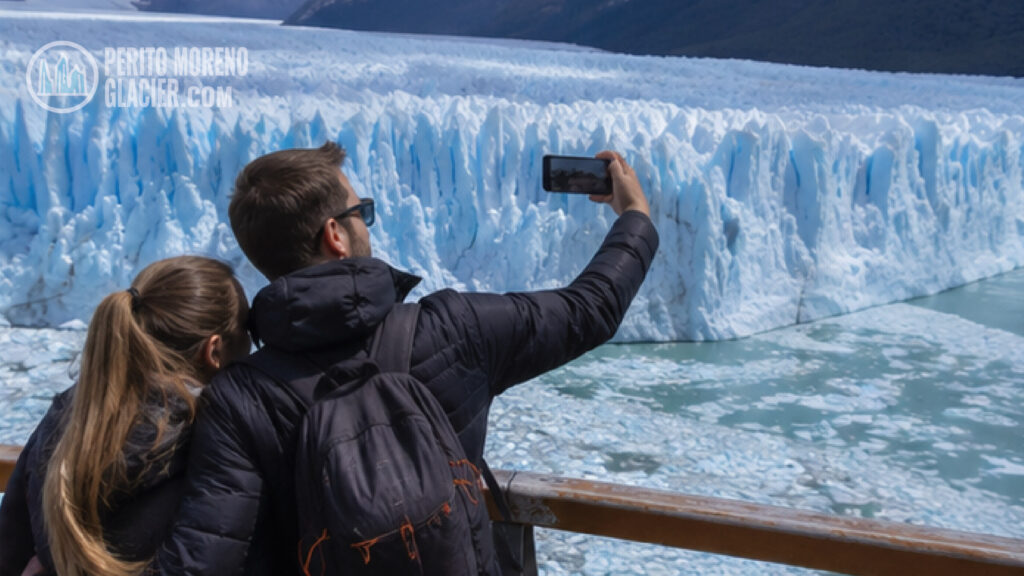
Include People to Show Scale
One of the biggest challenges in glacier photography is communicating their enormous size.
Including a person in the frame instantly provides perspective.
A small figure standing safely on a viewing platform can make the glacier appear far more impressive than an empty landscape.
Don’t Ignore the Weather
Many travelers wait for perfect sunshine.
In reality, cloudy skies often create better glacier photographs.
Overcast conditions:
- Reduce harsh shadows.
- Reveal more texture.
- Preserve detail in bright ice.
- Produce softer, more balanced lighting.
Light snow or mist can also create dramatic and atmospheric images.
Use Panorama Mode Carefully
Panorama mode works beautifully for large glacier landscapes.
For the best results:
- Move slowly.
- Keep the phone level.
- Avoid photographing moving boats or people.
- Maintain a steady speed throughout the sweep.
Panoramas are ideal for capturing the full width of a glacier front.
Photograph Reflections
If the water is calm, reflections can create some of the most striking images of your trip.
Look for:
- Icebergs reflected in lakes.
- Mountains mirrored in glacial water.
- Floating ice illuminated by soft light.
Morning often provides the calmest conditions.
Use Portrait Mode Creatively
Portrait mode isn’t just for people.
You can also use it to isolate:
- Small ice formations.
- Frost-covered rocks.
- Pieces of floating ice.
- Travel companions against the glacier.
This creates an attractive separation between the subject and the background.

Calafate Balcony Tour in a 4×4 Vehicle
Enjoy the amazing views of El Calafate and Lake Argentino in the Calafate Balcony.
Record Short Videos Too
Modern smartphones produce excellent video quality.
Instead of taking only photographs, record short clips featuring:
- Ice calving events.
- Waves created by falling ice.
- Wind moving across the lake.
- Visitors walking along the viewing platforms.
Mixing photos and videos creates a more complete travel story.
Keep Your Phone Warm
Cold weather can significantly reduce battery life.
To avoid problems:
- Carry a power bank.
- Keep your phone inside an inner jacket pocket.
- Avoid leaving it exposed to freezing temperatures for long periods.
A fully charged backup battery is highly recommended for full-day excursions.
El Calafate, El Chaltén & Torres del Paine – 7 Nights
Enjoy visiting El Calafate and Perito Moreno Glacier... El Chalten and the Fitz Roy Mount and Torres del Paine National Park!
Basic Editing Makes a Big Difference
A few subtle adjustments can dramatically improve your glacier photos.
Recommended edits include:
- Lower highlights slightly.
- Increase contrast moderately.
- Enhance texture.
- Adjust white balance if necessary.
- Increase vibrance carefully.
Avoid oversaturating the image, as glaciers naturally display delicate shades of blue and white.
Common Smartphone Photography Mistakes
Avoid these frequent errors:
- Using excessive digital zoom.
- Forgetting to clean the lens.
- Photographing only horizontal images.
- Overexposing bright ice.
- Ignoring foreground elements.
- Taking every photo from the same viewpoint.
- Applying overly aggressive filters.
Simple, natural edits usually produce the most timeless travel photographs.
Best Accessories for Smartphone Glacier Photography
A few lightweight accessories can make a noticeable difference.
Compact Tripod
Useful for:
- Panoramas
- Low-light photography
- Self-timers
- Group photos
Polarizing Clip-On Filter
A quality clip-on polarizer can:
- Reduce reflections.
- Deepen blue skies.
- Improve water clarity.
- Enhance ice textures.
Waterproof Phone Pouch
Ideal for:
- Boat excursions
- Wet conditions
- Snowfall
- Protecting against spray near the glacier
Complete Tour to Perito Moreno Glacier: Boat Navigation & Lunch
Enjoy a Perito Moreno Glacier tour from el Calafate in a full day, with lunch and boat navigation included
Frequently Asked Questions
Can a smartphone really capture good glacier photos?
Absolutely. Today’s flagship smartphones can produce excellent glacier images, especially when you use proper composition, exposure control and natural lighting.
Should I use flash?
No. Flash has virtually no effect on distant landscapes and may create unwanted reflections on nearby surfaces.
Is portrait orientation useful?
Yes. Vertical photos work particularly well for social media, towering ice walls and dramatic landscape compositions.
What’s the best time of day?
Early morning and late afternoon generally provide softer light, but glaciers can also look spectacular under bright midday conditions when the blue ice becomes especially vivid.
Final Comments
You don’t need expensive photography equipment to capture unforgettable glacier images. Modern smartphones combine powerful sensors, advanced image processing and intuitive controls that make it easier than ever to document these extraordinary landscapes.
The secret is not owning the newest phone, but understanding light, composition and timing. Slow down, explore different viewpoints, pay attention to details, and let the glacier’s natural textures, colors and scale become the focus of your photography. With a little practice, your smartphone can produce travel photos you’ll be proud to share for years to come.
Australis Expedition Cruise from Punta Arenas to Ushuaia – 1 Night Free
Embark on a 4-Night Cruise Adventure Through Remote Patagonia: Includes Complimentary Night Stay in Punta Arenas or Ushuaia!
Both Sides of Southern Patagonia: El Calafate & Puerto Natales
Wonderful 6-night program to combine El Calafate and Perito Moreno Glacier with Puerto Natales and Torres del Paine National Park