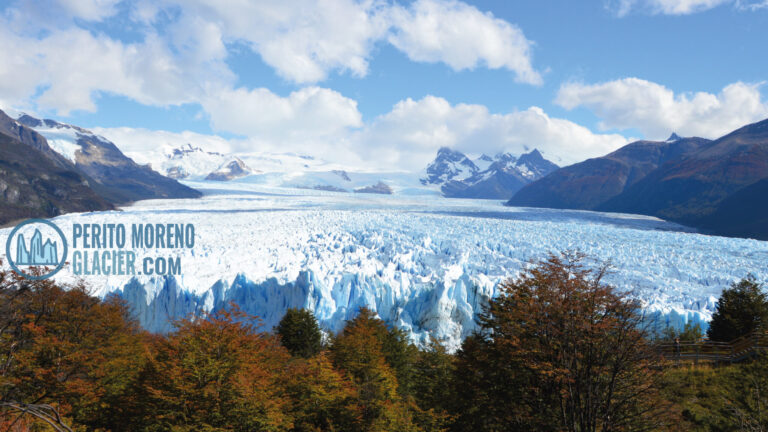
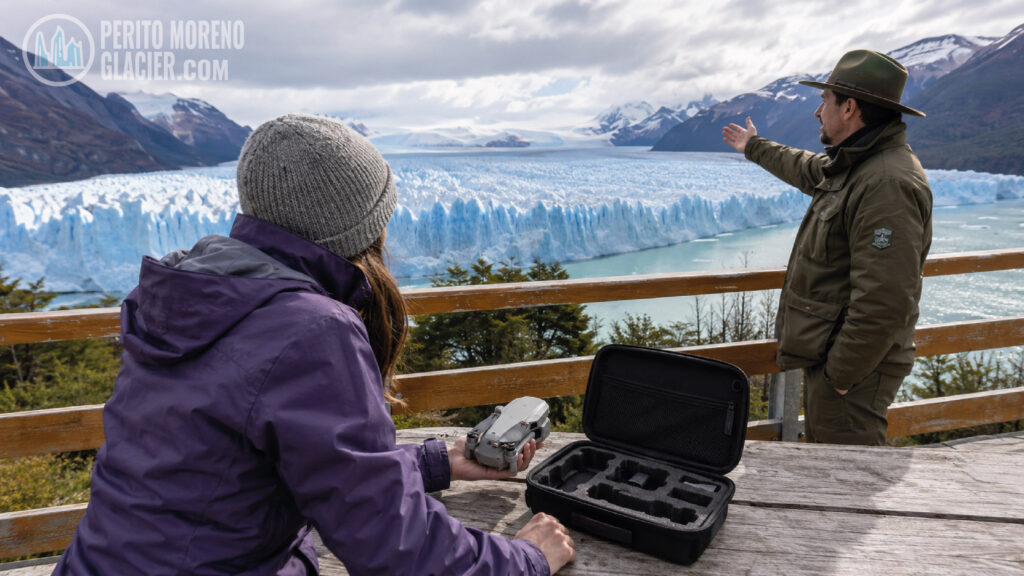
Visitors cannot fly a drone at Perito Moreno Glacier or elsewhere inside Los Glaciares National Park. Argentina’s National Parks Administration states that powered-aircraft overflight is prohibited in protected areas, and its current visitor recommendations for Los Glaciares explicitly say that drone use is prohibited.
El Calafate town is a different jurisdiction, but that does not make it an automatic flight zone. The town is served by an international airport, urban operations fall outside Argentina’s simple Open category, and controlled or restricted airspace requires the applicable authorizations and coordination. In practical terms: do not unpack a drone in town or beside Lago Argentino and assume that being outside the park is enough.
Regulations changed in 2025, so old Argentina drone blogs are particularly risky. This guide separates the park rule from the national aviation framework and explains what a responsible traveler should do before carrying or operating an aircraft.
Argentinian & Chilean Patagonia II: Ushuaia, El Calafate, El Chalten and Torres del Paine
Enjoy visiting Ushuaia and the end of the world... El Calafate and Perito Moreno Glacier... El Chalten and the Fitz Roy Mount and Torres del Paine National Park!
The direct answer for Perito Moreno Glacier
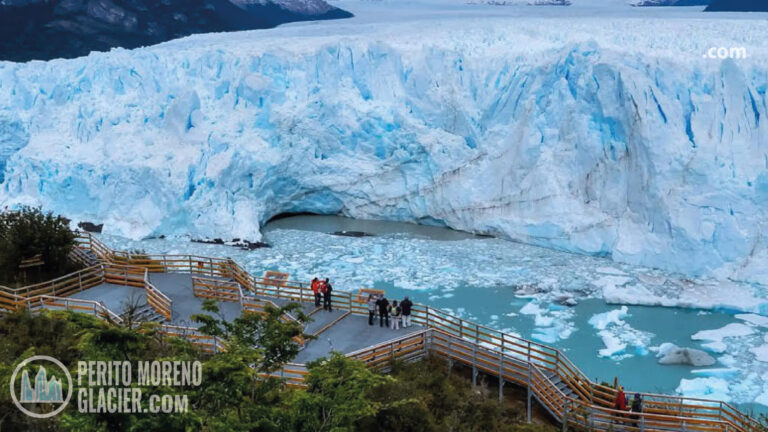
Do not fly at the glacier, from the walkways, the access road, a parking area, a boat or another visitor site within Los Glaciares National Park. The prohibition concerns the protected airspace and its wildlife and visitors; launching just outside a boundary would not make an overflight inside the park lawful.
Why a small “selfie drone” is not an exception
The park’s visitor rule does not say that mini drones are allowed. Low weight, quiet propellers or a recreational purpose do not override protected-area restrictions. A device sold as a toy or marketed as “under 250 g” can still disturb wildlife, fall onto inaccessible terrain or create risk around people and aircraft.
Geofencing in a manufacturer’s app is not legal permission. An app may allow takeoff where the law prohibits it, or block a place where a separately authorized professional operation could occur. The operator—not the software—remains responsible.
Why seeing drone footage online proves nothing
An aerial clip may have been recorded before current rules, under a specific authorization, from an aircraft rather than a drone, or illegally. Publication on Instagram, YouTube or a stock library does not establish permission for a new flight.
If a tour seller advertises a personal drone flight at the glacier, request the written APN authorization and aviation approvals that cover the exact date, operator, location and purpose. A vague assurance from a driver or social-media account is not sufficient.
The two layers of rules you must check
Drone planning around El Calafate requires two separate answers. Passing one layer does not bypass the other.
Layer 1: permission from the land or protected-area authority
Inside Los Glaciares National Park, the National Parks Administration (APN) controls protected-area use. Its national parks FAQ cites the statutory prohibition on powered-aircraft overflight, and its current Los Glaciares visitor recommendations list drones as prohibited.
On private land outside the park, obtain the landowner’s permission for takeoff and landing. That permission does not grant access to controlled airspace or authorize flight over neighboring property, roads or people.
Layer 2: Argentina’s national aviation rules
Argentina’s Civil Aviation Administration (ANAC) introduced a new framework through Resolution 550/2025 and RAAC Parts 100, 101 and 102. Operations are organized into Open, Specific and Certified categories based on risk and operating conditions.
The Open category can cover visual-line-of-sight operations with aircraft under 25 kg in appropriate uncontrolled conditions, subject to its requirements. ANAC lists a maximum height of 122 meters in uncontrolled airspace and requires a free digital sworn declaration with technical and operator details. But Open-category operation is not allowed in prohibited, restricted or dangerous airspace, control zones, designated no-fly zones, national parks, emergency areas or over people not participating in the operation.
Urban flights, night operations, flights beyond visual line of sight and other operations outside Open conditions fall into the Specific category and require operational authorization and appropriately licensed personnel. Do not apply one headline—such as “no pilot license in the Open category”—to a flight that does not qualify as Open.
Why El Calafate needs a location-specific aviation check
Comandante Armando Tola International Airport serves El Calafate, and aviation activity is not limited to the runway you can see. Controlled airspace, approach and departure paths, helicopter operations, temporary restrictions and published corridors may affect a proposed site.
ANAC directs operators to current aeronautical information for prohibited, restricted and dangerous areas. There is no responsible evergreen sentence that turns “a few kilometers from the airport” into permission. The exact coordinates, altitude, date, category and airspace publication must be checked before flight.
The lake shore is not automatically open airspace
Lago Argentino is visually open, which can create a false sense of freedom. Parts of the shore are urban or close to people, roads and buildings; other sectors may be private, protected or affected by aviation routes. Strong wind and emergency helicopter or aircraft activity add operational risk.
Treat every proposed launch point as an individual case. “Outside downtown” and “not inside the glacier viewpoint” are not legal categories.
El Calafate Tour Package: 1–3 Nights
Enjoy visiting Perito Moreno Glacier and other amazing attractions in the area. Choose between our 1-2-3 night packages and discover Patagonia
Can a professional production request an exception in the park?
APN publishes a dedicated regulation and contact channel for drone use and audiovisual productions in national protected areas. This is an authorization process, not a recreational loophole. A production should contact APN before travel and expect to describe the purpose, exact coordinates, dates, personnel, aircraft, insurance, risk controls and conservation impact.
ANAC requirements and airspace coordination still apply. Written APN involvement does not replace aviation authorization; aviation compliance does not replace APN permission.
What to include in an initial professional inquiry
Prepare:
- production company and responsible person;
- public, commercial, scientific or documentary purpose;
- requested dates and backup dates;
- exact launch, landing and overflight coordinates;
- aircraft model, weight and identification;
- pilot credentials and operating category;
- insurance documentation;
- maximum altitude and flight duration;
- proposed distance from visitors and wildlife;
- crew and ground-control plan;
- intended distribution of the footage;
- contingency and emergency procedures.

Calafate Balcony Tour in a 4×4 Vehicle
Enjoy the amazing views of El Calafate and Lake Argentino in the Calafate Balcony.
A pre-flight decision process outside the park
If you are considering a lawful site elsewhere near El Calafate, work through this sequence before taking the drone out of its case.
Confirm the coordinates and jurisdiction
Record the exact launch and intended flight area. Check whether it is inside a national, provincial or municipal protected area; on private land; within the town; or near sensitive infrastructure. Boundaries on a general travel map may be imprecise, so use an authoritative source.
Classify the operation under current ANAC rules
Determine whether the proposed flight truly meets all Open-category conditions. If it is urban, at night, beyond visual line of sight or otherwise outside those conditions, do not fly under the Open label. Follow the Specific-category process and obtain the required authorization.
Review current aeronautical information
Check the current AIP and applicable notices for controlled, restricted, dangerous or temporarily restricted airspace. Coordinate with the navigation service, aerodrome operator or authority where required. Recheck close to the flight; emergency and temporary restrictions can change.
Obtain landowner permission
Get clear permission for launch, landing and crew access. Do not block a road, gate or shoreline access point. Keep people who are not part of the operation away from the aircraft.
Make a conservative weather decision
Patagonian wind can change rapidly and exceed a small drone’s return capability. Manufacturer wind-resistance marketing is not a guarantee. Evaluate gusts, temperature, precipitation, visibility and the downwind emergency area. If the return leg would be into stronger wind, land early.
Responsible operation goes beyond minimum compliance
A lawful flight can still be inconsiderate. Avoid wildlife, livestock, nesting areas, horses and quiet visitor spaces. Never use a drone to approach a condor or provoke an animal into movement for a better shot.
Maintain visual contact, yield to all crewed aircraft and leave a wide margin around people. Stop immediately if an emergency, firefighting, police or rescue operation begins. Do not publish precise wildlife nesting coordinates.
Protect privacy and your footage
Avoid recording identifiable people in private situations. If people are the subject, obtain permission. Back up files without posting a location or claim that encourages others to repeat a restricted flight.
When licensing footage, keep the authorization record with the file. A future editor should know whether it was created legally and under what usage terms.
Traveling with a drone even when you will not fly at the glacier
Check every airline’s current cabin and checked-baggage policy before packing. Spare lithium batteries normally require specific handling and terminal protection, but limits vary by airline and battery rating. Do not rely on a generic travel article for carriage approval.
Keep the drone packed while visiting the national park. A folded aircraft in a bag is less likely to create confusion than assembling it at the viewpoint. Follow ranger instructions and all posted restrictions.
Australis Expedition Cruise from Ushuaia to Punta Arenas – 1 Night Free
Embark on a 4-Night Cruise to Discover the Unique Landscapes of Remote Patagonia - Plus, Enjoy a Free Night's Stay!
Legal alternatives to a drone shot at Perito Moreno Glacier
You do not need to break the rule to show scale.
Use the walkways as a sequence of changing elevations
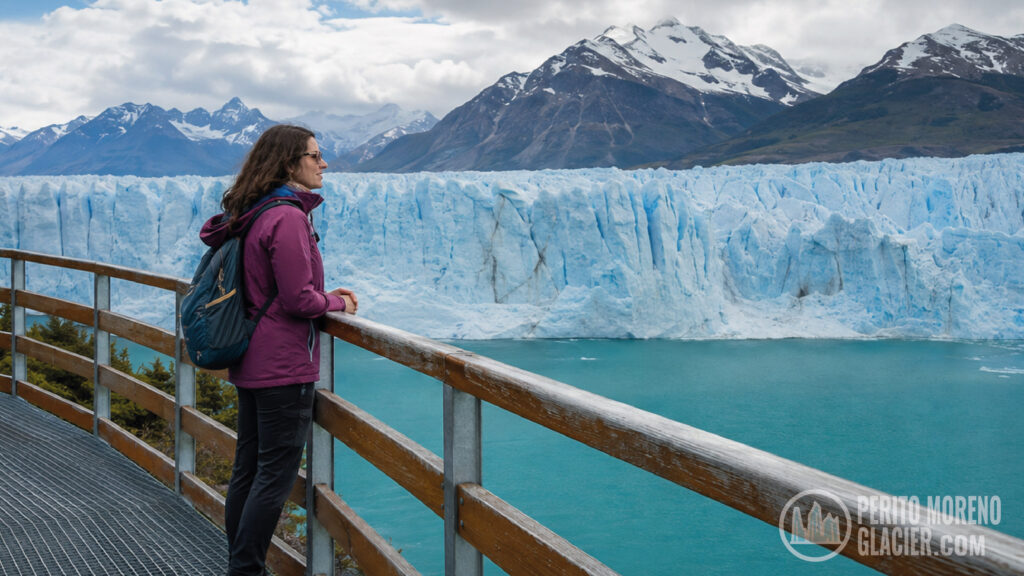
The official circuits provide broad views, side angles and elevated perspectives. A normal camera or phone can create an aerial feeling by including the lake edge, glacier front and mountains in layered compositions.
Review the complete walkway guide before choosing a route.
Add a navigation view
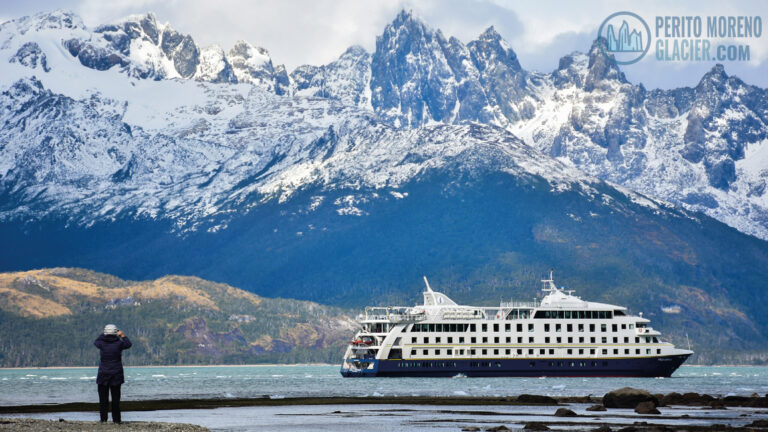
An authorized boat excursion changes the angle and gives a clear sense of the ice face from the water. Follow crew instructions and keep equipment secured.
License authorized existing footage
For a film, campaign or commercial project, properly licensed aerial footage may be more efficient than pursuing a new authorization. Verify the creator’s rights and, where relevant, the legality of the original operation; a stock-platform listing alone is not proof.
The rule I would use as a traveler
At Perito Moreno Glacier: leave the drone packed. Around El Calafate: fly only after the exact site, airspace, operation category, land permission and current weather all check out. If any part is uncertain, do not launch.
For help building a photography itinerary that respects park rules, contact our local team. We can recommend ground-level viewpoints and established excursions, but only the competent authorities can grant an aviation or protected-area authorization.
Australis Expedition Cruise from Punta Arenas to Ushuaia – 1 Night Free
Embark on a 4-Night Cruise Adventure Through Remote Patagonia: Includes Complimentary Night Stay in Punta Arenas or Ushuaia!
Both Sides of Southern Patagonia: El Calafate & Puerto Natales
Wonderful 6-night program to combine El Calafate and Perito Moreno Glacier with Puerto Natales and Torres del Paine National Park
Big Ice & Estancia Cristina Adventure – 3 Nights
Enjoy visiting Perito Moreno Glacier, walking over the ice of the glacier and a wonderful trekking or horseback riding in a remote estancia in the national park