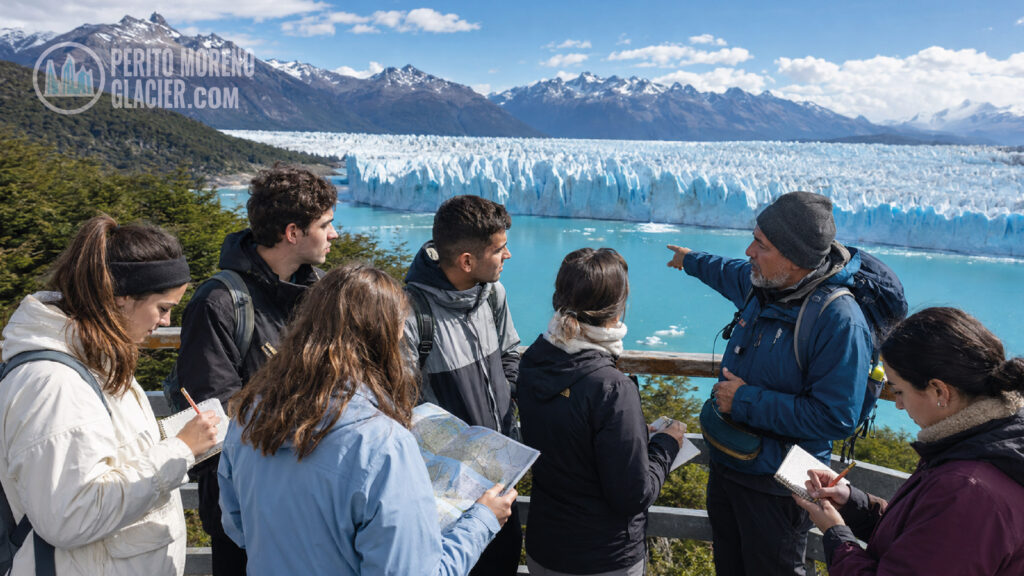
Perito Moreno Glacier can turn abstract lessons into direct observation. Students can see the relationship between ice, water, rock, forest, weather and tourism within a single field day. El Calafate adds wetland and steppe environments, community context and the logistics needed for a multi-day learning program.
The educational value, however, does not come automatically from standing in front of the glacier. A strong student trip begins with questions, uses structured observation in the field and ends with reflection. It also treats safeguarding, accessibility and group movement as part of the academic design.
This guide is suitable for older school groups, university cohorts and adult-learning programs. Content, supervision and physical demands must always be adapted to the age and profile of the participants.
El Calafate Special Adventure Program: Big Ice and Horseback Riding or Trekking in Estancia Cristina
Enjoy visiting Perito Moreno Glacier, walking over the ice of the glacier and a wonderful trekking or horseback riding in a remote estancia in the national park

What Students Can Learn in El Calafate
Glaciology and Geomorphology
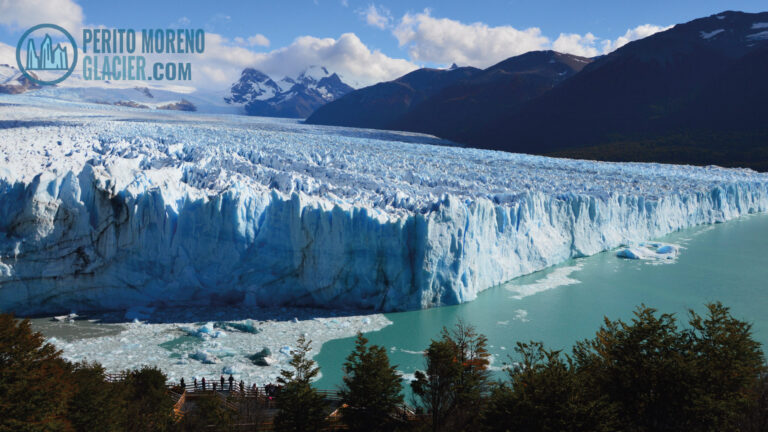
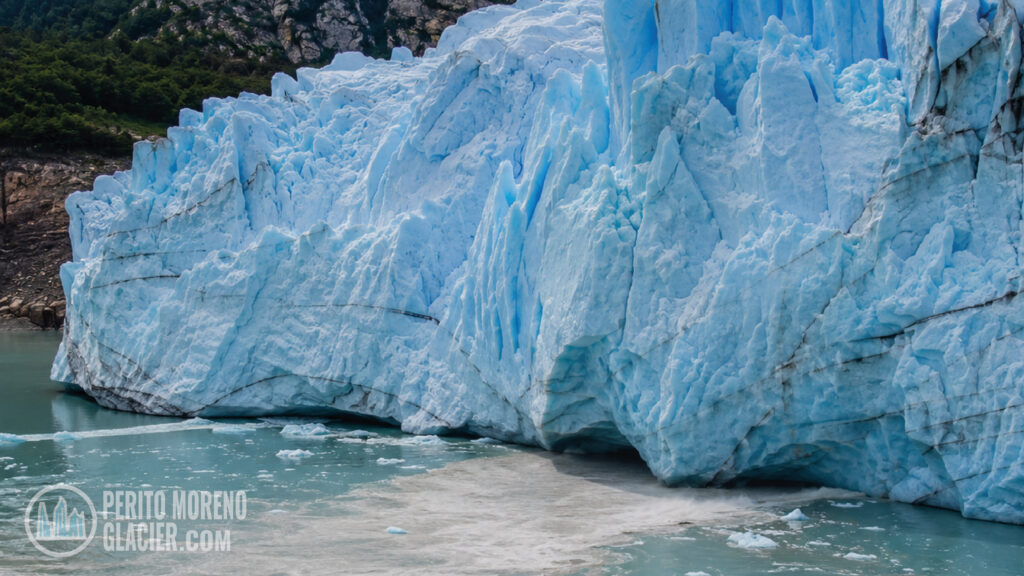
At Perito Moreno Glacier, students can observe glacier form, crevasses, ice color, meltwater and the relationship between the ice front and the lake. Viewing platforms offer multiple angles for drawing and comparison without leaving authorized routes.
Be careful with conclusions. A single visit shows conditions at one moment; it does not by itself demonstrate a long-term climate trend. Students should distinguish observation, interpretation and evidence gathered over time.
Ecology Across Habitats
The route from El Calafate to the glacier crosses steppe and Andean forest, while Laguna Nimez provides a wetland close to town. A habitat comparison can examine vegetation structure, wind exposure, water availability and bird behavior.
The site’s guide to birds around El Calafate and Perito Moreno Glacier can support pre-trip identification work. In the field, sightings should remain evidence, not targets that encourage disturbance.
Conservation and Protected Areas
Los Glaciares National Park allows students to explore why landscapes receive protection, how public access is managed and what responsible visitation looks like. The park is also a useful case study in balancing conservation, education, tourism and local economic activity.
Use official information from Argentina’s National Parks Administration to prepare current rules, services and access conditions. Do not assume that a program, trail or facility available in a previous year remains unchanged.
Tourism, Community and Regional Economy
El Calafate is a gateway community shaped by visitor flows. Students in geography, tourism, hospitality, economics or public policy can examine seasonality, transport, employment, infrastructure and visitor management.
Interviews or site visits should be arranged in advance and conducted with consent. Students should not treat residents, workers or visitors as research subjects without an appropriate academic protocol.
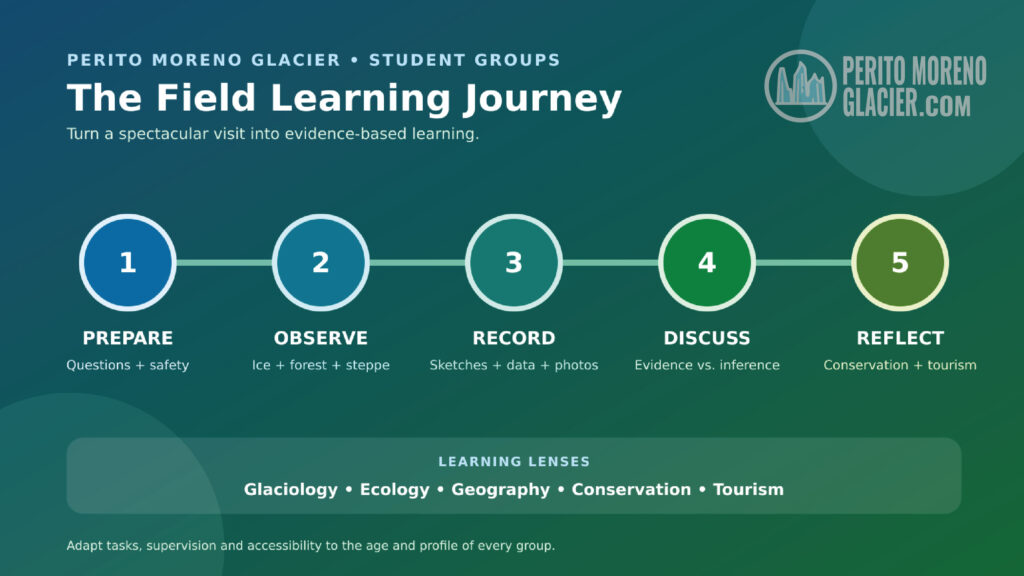
A Four-Stage Field Learning Journey
1. Prepare: Questions, Roles and Safety
Before travel, introduce the destination with maps, historical imagery and a shared vocabulary. Give each subgroup a focused question. Examples include:
- How does the landscape change between steppe and forest?
- Which observations suggest moving ice?
- How does infrastructure guide visitor behavior?
- What evidence is needed to discuss environmental change responsibly?
Assign rotating roles such as mapper, recorder, photographer and timekeeper. Establish a buddy system, head-count procedure, emergency contacts and clear boundaries for devices and independent movement.
Complete Tour to Perito Moreno Glacier: Boat Navigation & Lunch
Enjoy a Perito Moreno Glacier tour from el Calafate in a full day, with lunch and boat navigation included
2. Observe: Use Short Field Stations
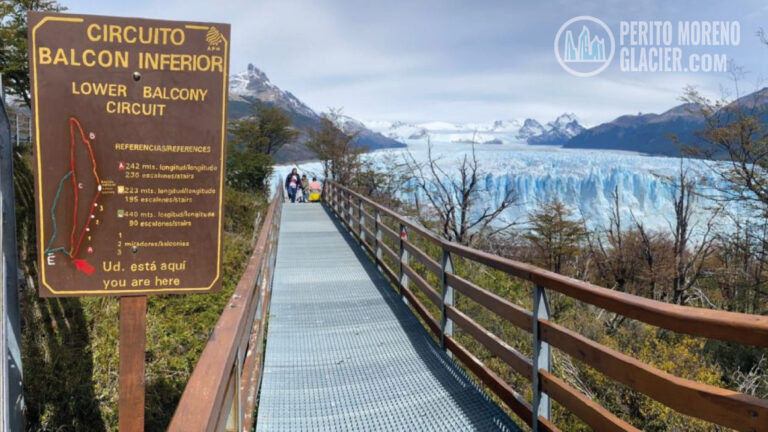
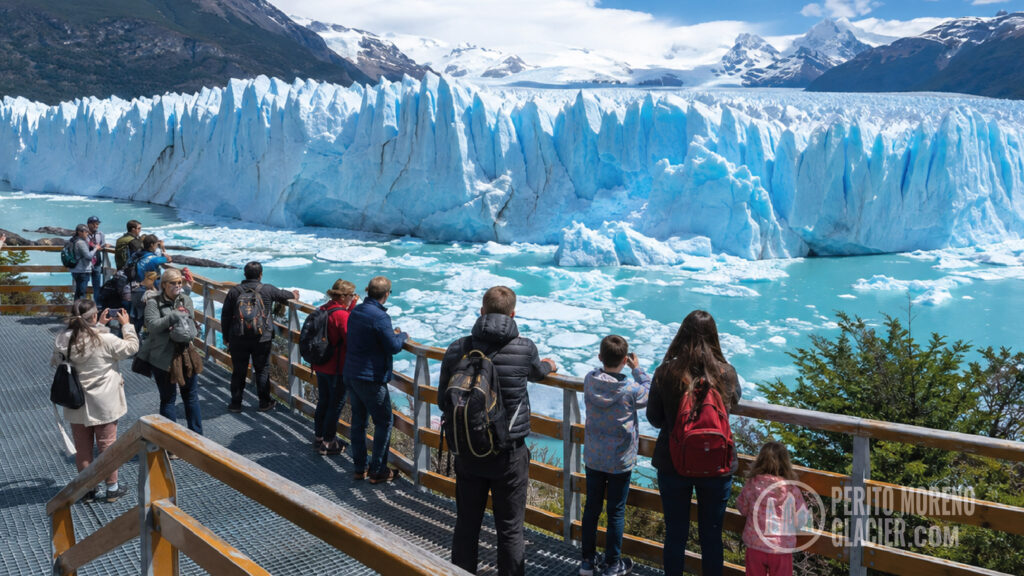
At the glacier, divide the day into manageable stations rather than delivering one long lecture. A viewpoint station can focus on scale and form; another can examine sound and movement; a forest-edge station can compare habitats; a visitor-management station can analyze signs, railings and route design.
The Perito Moreno sector has an extensive network of viewing routes with options of differing demands, including accessible alternatives.
Keep subgroups small enough to use space respectfully. Brief students never to block circulation, climb barriers, feed wildlife or collect natural material.
3. Record: Separate Data From Impression
Students can create annotated sketches, fixed-point photographs, sound notes, weather observations and simple visitor-flow counts. Every record should include time, place and method.
A compelling calving event may dominate attention, but it is still one observation. Encourage students to record quieter evidence: sediment color, vegetation, slope, prevailing wind and how perspective changes between balconies.
4. Discuss and Reflect
Back in El Calafate, each subgroup should explain what it observed, what it inferred and what remains uncertain. Compare evidence across stations. Ask how the visitor experience might change for someone with limited mobility, little English, sensory needs or no prior knowledge of glaciers.
Conclude with an applied task: a conservation message, a visitor-management proposal, a habitat comparison or a short evidence-based field report. Reflection turns sightseeing into learning.

Calafate Balcony Tour in a 4×4 Vehicle
Enjoy the amazing views of El Calafate and Lake Argentino in the Calafate Balcony.
A Three-Day Educational Program
Day 1: El Calafate Orientation and Wetland Study
Begin with the town’s geography and Lago Argentino. Use Laguna Nimez for wetland observation, bird behavior and conservation practice. The reserve’s mission includes environmental education, but group arrangements and current conditions should be confirmed directly in advance.
End the day with a short briefing on national park behavior and the next day’s field questions.
Day 2: Perito Moreno Glacier Field Day
Travel approximately 80 kilometers from El Calafate to the Perito Moreno sector, allowing enough time for scheduled stops and group movement. Use the walkway stations described above. If adding a navigation or guided activity, verify age, capacity, accessibility, safety and educational value before contracting it.
The destination’s Los Glaciares National Park guide offers additional context for students and families.
Day 3: Synthesis and a Second Perspective
Use the final day for presentations, a museum or interpretation visit where current operations permit, or a steppe/estancia experience related to land use and regional history. The objective is to compare systems, not simply add another attraction.
Safeguarding and Group Logistics
Every program needs named leaders, age-appropriate ratios, rooming rules, consent procedures, medication protocols and a plan for lost contact. The tour operator, school and academic leader should understand where responsibility changes hands.
Create subgroups before arrival and give each one a leader and backup. Use visible identifiers that do not display sensitive personal information. Count at every transition: hotel departure, vehicle loading, park arrival, meal stop and return.
Collect dietary, medical and accessibility information securely and only as needed. The national park reports accessible routes and visitor services in the glacier area, but some users may require assistance. Verify the entire chain—vehicle, paths, restrooms, food service and emergency response—rather than checking a single ramp.
Build scheduled rest, water and restroom intervals into the field plan. A realistic timetable improves concentration and makes head counts more reliable. Leaders should carry offline participant lists and supplier contacts while protecting personal data.
The park publishes downloadable audio guides in several languages and a sign-language resource among its visitor services. Confirm current availability and download materials before reaching areas with limited connectivity.
My recommendation for student groups is to protect time for the debrief. The glacier creates excitement immediately; the learning emerges when students compare what they saw and test what they think it means.
Plan the Educational Outcome First
Begin with curriculum goals, student profile and safeguarding requirements, then select activities. A glacier navigation may support scale and perspective; a wetland circuit may serve ecology; a town-based session may fit tourism studies. Each inclusion should have a reason.
RipioTurismo can coordinate a logistics-first educational itinerary with appropriate guides, transfers and age-suitable pacing. Contact us with the group’s age range, size, travel dates, academic subject, accessibility needs and desired outcomes.
Complete Tour to Perito Moreno Glacier: Boat Navigation & Lunch
Enjoy a Perito Moreno Glacier tour from el Calafate in a full day, with lunch and boat navigation included

El Calafate Standard Pass
This pass will save you money and organize your trip. A basic package of services for visiting El Calafate and Perito Moreno in 2, 3, or 4 days!