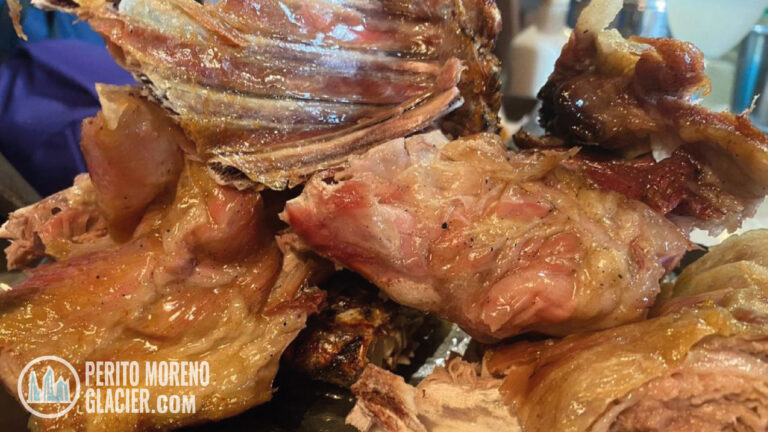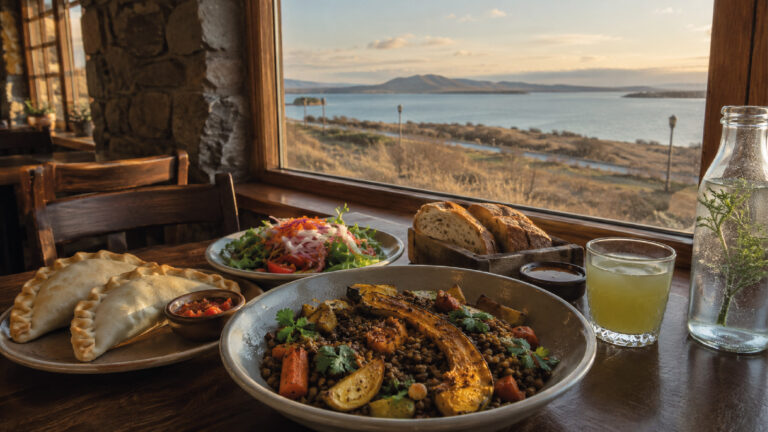
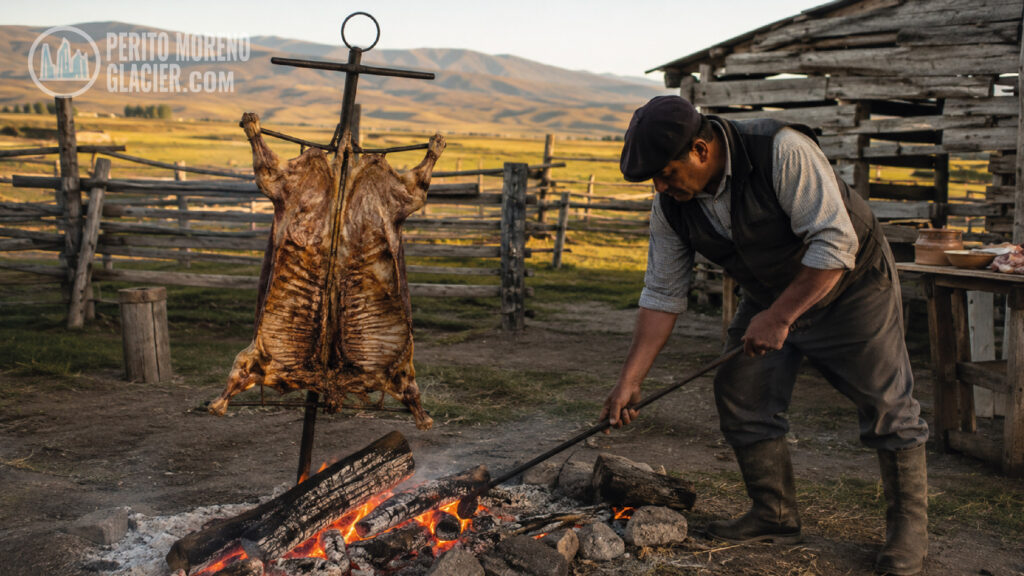
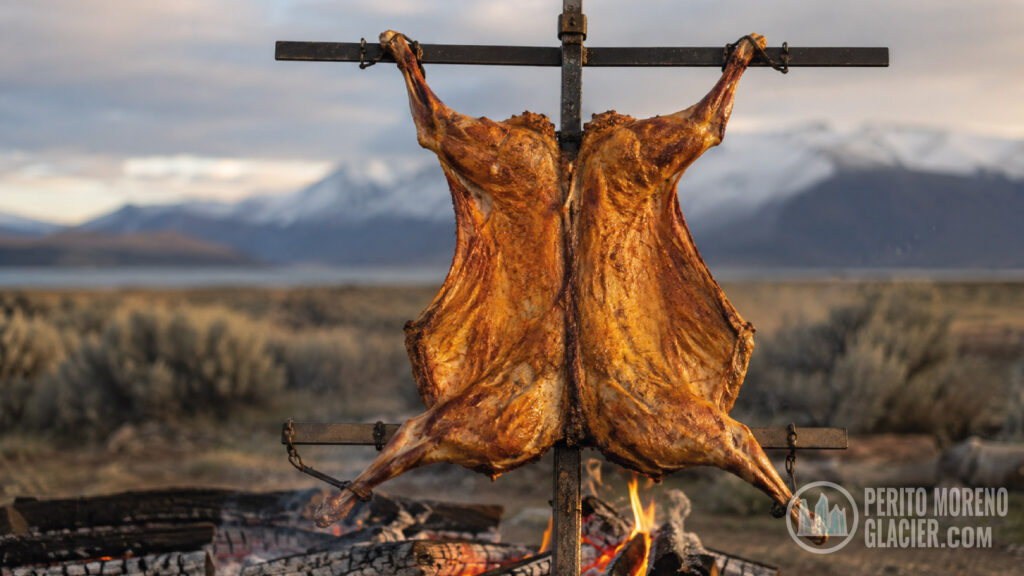
Patagonian lamb is El Calafate’s signature regional dish. The classic version—cordero patagónico al asador—is opened on an iron cross and cooked slowly beside a wood fire rather than directly over flames. It is not simply another grilled meat: the dish connects the harsh Patagonian steppe, the history of sheep ranching in Santa Cruz and the social tradition of gathering around an outdoor fire.
This guide explains how lamb became part of the region’s identity, what happens during traditional preparation, how al asador differs from other lamb dishes and where travelers can try it in El Calafate or at a nearby estancia.
Why Lamb Became a Patagonian Specialty
Santa Cruz has a cold, dry, windy environment dominated by steppe. Large areas are better suited to extensive grazing than to conventional agriculture. Sheep farming therefore became one of the foundations of the province’s rural economy and settlement.
Official historical information from the Argentine government identifies the period from 1878 to 1920 as one of major growth in Santa Cruz based on sheep production. Estancias developed across immense properties, producing wool and meat while shaping the working culture, buildings, routes and communities of southern Patagonia.
Lamb later became more than an estancia food. Restaurants and tourism programs turned the traditional asado into a way for visitors to understand the landscape through a meal. Today it appears in downtown grills, hotel restaurants and rural excursions around El Calafate.
What “Cordero Patagónico” Means
Argentina recognizes Cordero Patagónico as a geographical indication associated with lambs raised and processed in the defined Patagonian territory south of the Colorado River. The protected name links the product to its geographical origin and production tradition.
That recognition does not mean every menu uses the designation with the same level of traceability. A traveler interested in provenance can ask the restaurant where the lamb comes from and whether it is produced in Santa Cruz or another part of Patagonia.
The word cordero refers to lamb, while oveja means sheep. On a menu, the most useful terms are:
Cordero patagónico al asador: Patagonian lamb cooked on a cross-style iron frame beside the fire.Cordero a la parrilla: portions or cuts cooked on a grill.Costillas de cordero: lamb ribs or chops.Cazuela de cordero: lamb stew.Empanada de cordero: pastry filled with seasoned lamb.
Perito Moreno Glacier & Pristine Luxury Camp – 4 Nights
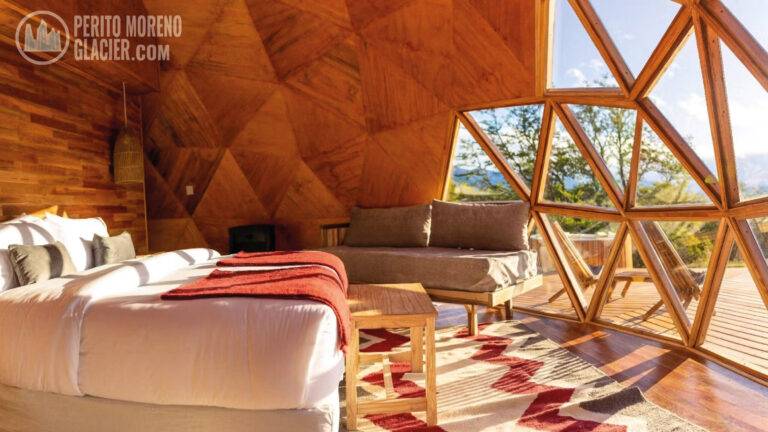
A wonderful 4-night program to visit Perito Moreno Glacier from El Calafate and finalizing with a glamping experience!
How Traditional Patagonian Lamb Is Prepared
The Cross-Style Asador
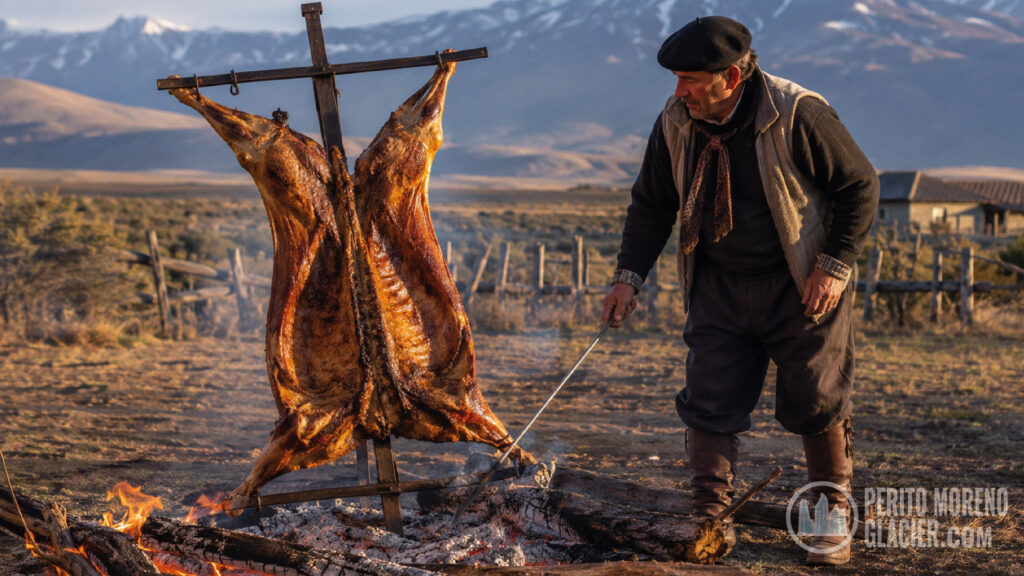
The carcass is opened flat and secured to a large iron frame, often called an asador or cruz. The frame stands at an angle beside a wood fire. Argentina’s official tourism site emphasizes that the lamb does not sit directly in the fire; steady, indirect heat cooks it gradually and evenly.
Fire, Distance and Time
The cook manages the fire rather than following a fixed oven setting. Wind, temperature, the size of the lamb, the type of wood and the distance from the heat all affect the process. As a result, exact cooking time varies. A leading El Calafate restaurant describes its asador lamb as receiving more than three hours of cooking, which is a useful indication of the slow pace rather than a universal timer.
Seasoning
Traditional preparations may be very simple, allowing the lamb and wood fire to dominate. Salt or a light brine is common; individual cooks may add garlic, herbs or another restrained seasoning. Heavy sauce is not essential to the classic method.
The Two Sides
The cook adjusts or turns the frame so heat reaches the thicker and thinner areas appropriately. The aim is rendered fat, browned edges and tender meat without burning the exterior before the interior is ready.
Serving
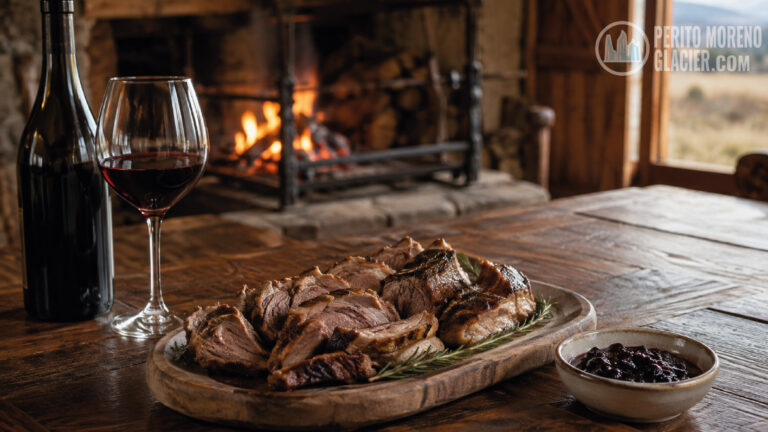
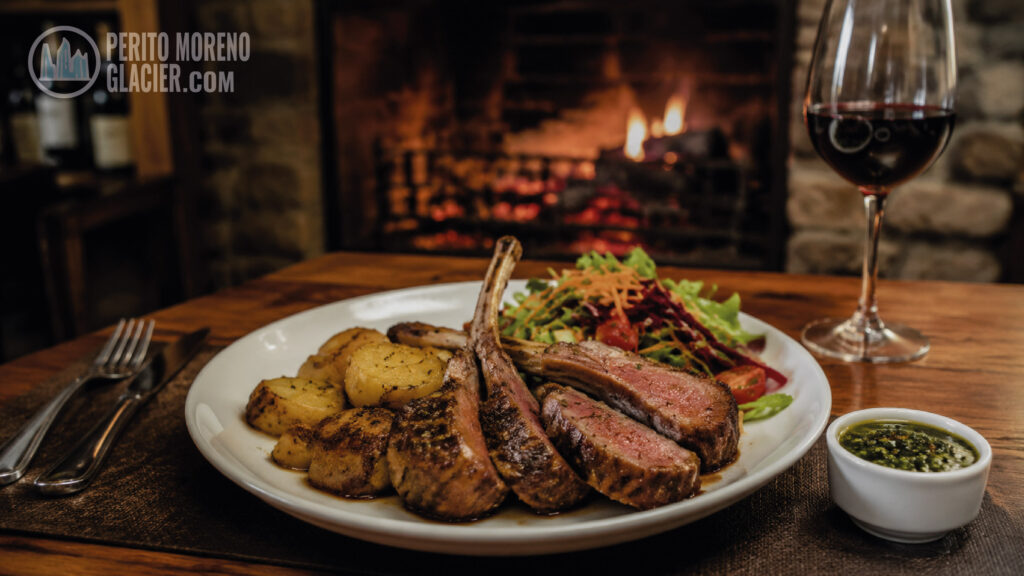
At a restaurant, lamb may arrive already portioned. At an estancia or open-asador program, guests may see the entire frame before service. Typical accompaniments include potatoes, salads, grilled vegetables and Argentine wine.

El Calafate Basic Pass
Buy El Calafate Basic Pass a get special discounts!
Al Asador, Parrilla or Stew: Which Should You Choose?
| Style | Cooking character | Best for |
|---|---|---|
Lamb al asador |
Whole or large-format slow cooking beside a wood fire | First-time visitors who want the emblematic Patagonian experience |
Lamb a la parrilla |
Individual cuts cooked on a grill | Travelers who want a specific portion or a shorter restaurant meal |
Lamb stew or cazuela |
Slow-cooked pieces with sauce and vegetables | Cold evenings and travelers who prefer a softer, saucier dish |
| Lamb empanada | Seasoned filling inside pastry | Tasting lamb as a starter or casual snack |
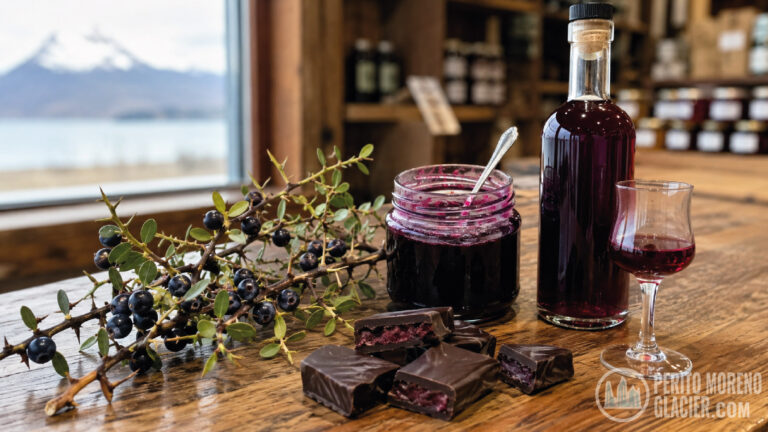
| Lamb with calafate-berry sauce | Regional meat paired with a sweet-tart local fruit | Diners looking for a contemporary local variation |
For a first encounter, order cordero al asador at a place where the fire and frame are visible. On another evening, try a stew, empanada or lamb cut to understand how versatile the ingredient is.
Where to Eat Patagonian Lamb in El Calafate
These establishments were cross-checked against official tourism pages, restaurant websites or the current PeritoMorenoGlacier.com guide on August 10, 2026. Lamb availability and service times can change; reserve and confirm the dish directly.
Casimiro Biguá Parrilla & Asador
Casimiro Biguá’s asador location on Avenida del Libertador 993 is one of the most direct downtown choices for the classic preparation. Its official material highlights lamb cooked on the asador for more than three hours, and its current menu lists portions for one or two diners.
Best for: Travelers wanting a central parrilla with the traditional cross-style method.
La Tablita
La Tablita, at Coronel Rosales 28, is a long-established El Calafate grill and is recommended in the existing PeritoMorenoGlacier.com regional food guide for Patagonian lamb.
Best for: A classic parrilla dinner close to the center. Confirm the current lamb service when reserving.
Rústico Asador y Parrilla
Rústico, on Avenida Costanera 5291, advertises lamb al asador and has views toward Lago Argentino. Its location is farther from the most central restaurant blocks, so check transport from your hotel.
Best for: Combining a grill dinner with a lakefront setting.
La Posta at Hotel Posada Los Álamos
La Posta lists Patagonian lamb al asador among its regional specialties and pairs its menu with an Argentine wine selection.
Best for: Travelers seeking a hotel-restaurant setting and a broader regional menu.
Estancia 25 de Mayo
The estancia is close to town and presents rural culture together with a traditional meal. Depending on the selected program and season, lamb may form part of a fixed tourism experience rather than an à-la-carte dinner.
Best for: Travelers who want food, fire and estancia interpretation in one organized outing.
Estancia Nibepo Aike
Nibepo Aike is inside Los Glaciares National Park and combines ranch history, demonstrations and a meal centered on Patagonian lamb in its day-visit programs.
Best for: A deeper rural experience where the meal is part of a full-day or overnight estancia visit.
Restaurant or Estancia: Which Experience Is Better?
Choose a restaurant if you have limited time, want to compare several dishes or prefer a flexible dinner. Choose an estancia if you want to connect the meal with sheep ranching, rural buildings, demonstrations and the open landscapes that created the tradition.
The strongest itinerary often includes both: a downtown asador dinner and, on a separate day, an estancia experience. If time allows only one, decide whether your priority is the dish itself or the cultural setting around it.
How to Order Patagonian Lamb
Ask these questions when reserving:
¿Hoy sirven cordero patagónico al asador?— Are you serving Patagonian lamb on the asador today?¿Es necesario reservar el cordero con anticipación?— Must the lamb be reserved in advance?¿La porción es para una o dos personas?— Is the portion for one or two people?¿Se puede ver el asador?— Can we see the asador?¿De dónde proviene el cordero?— Where does the lamb come from?
Do not assume the dish is available throughout every service. Slow preparation means a restaurant may produce a limited quantity, especially outside peak season.
What Does Patagonian Lamb Taste Like?
Preparation and cut matter, but properly slow-cooked lamb should be tender, savory and influenced by the wood fire without tasting scorched. Areas close to the bone and ribs can be richer, while leg meat is leaner. The browned exterior provides a different texture from the softer inner meat.
Travelers who think they dislike strong lamb should ask about a leaner portion and try a small serving. Patagonian lamb is often described as delicate compared with older sheep meat, but taste remains personal.
Practical Advice Before You Go
- Reserve popular parrillas during the summer season.
- Confirm that
al asador—not only grilled lamb—is being served that day. - Ask portion size before adding many starters.
- Allow time for a relaxed dinner; this is not a fast-food preparation.
- Tell the restaurant about gluten, dairy or other dietary requirements because sauces and side dishes may vary.
- At an estancia, confirm what the tour price includes and request alternative meals in advance.
For a broader overview of trout, guanaco, calafate berries and other local flavors, see the existing guide to what to eat during a visit to El Calafate.
Final Advice
Patagonian lamb deserves a place in an El Calafate itinerary because it explains the destination as much as it feeds the traveler. The sheep economy helped shape Santa Cruz, the cross-style asador reflects outdoor rural life, and the slow fire turns a regional product into a shared ritual.
PeritoMorenoGlacier.com can combine a glacier itinerary with a downtown restaurant reservation or an estancia program. If lamb is a priority, mention it during planning so the correct service, excursion and dietary arrangements can be confirmed.
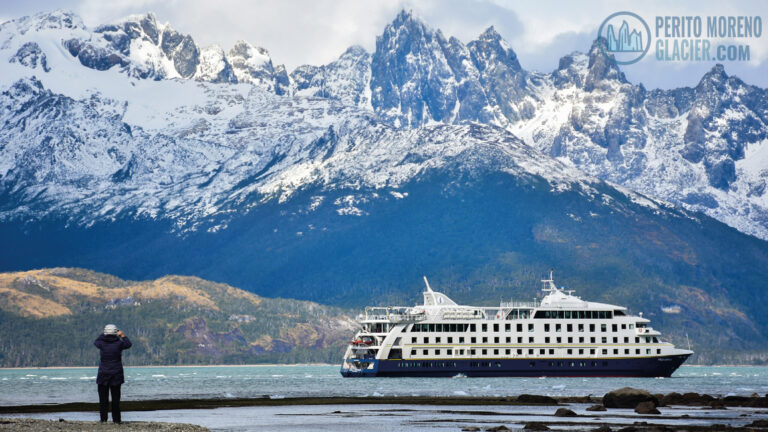
Australis Expedition Cruise from Ushuaia to Punta Arenas – 1 Night Free
Embark on a 4-Night Cruise to Discover the Unique Landscapes of Remote Patagonia - Plus, Enjoy a Free Night's Stay!
Big Ice & Estancia Cristina Adventure – 3 Nights
Enjoy visiting Perito Moreno Glacier, walking over the ice of the glacier and a wonderful trekking or horseback riding in a remote estancia in the national park

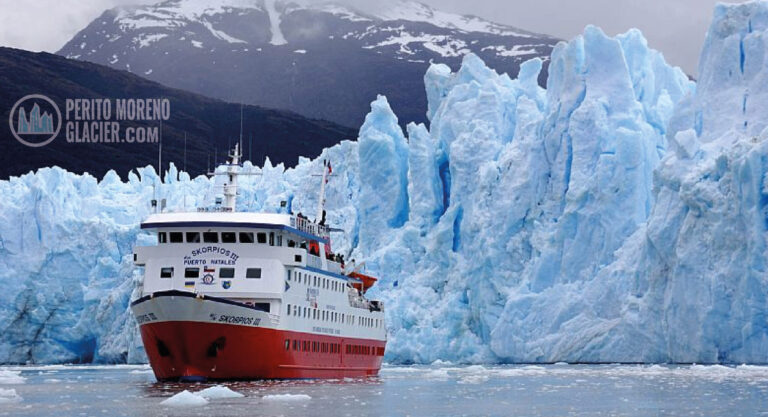
El Calafate, Puerto Natales, Torres del Paine and Skorpios III Cruise
Wonderful 10-day program to combine El Calafate and Perito Moreno Glacier with Puerto Natales and Torres del Paine National Park and also the amazing Skorpios III Cruise