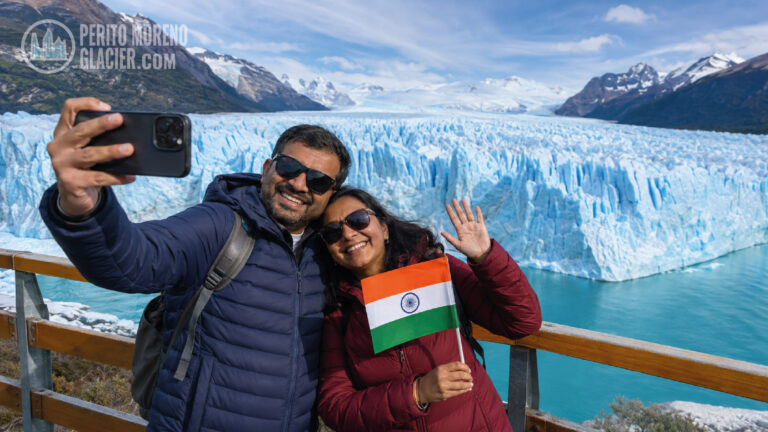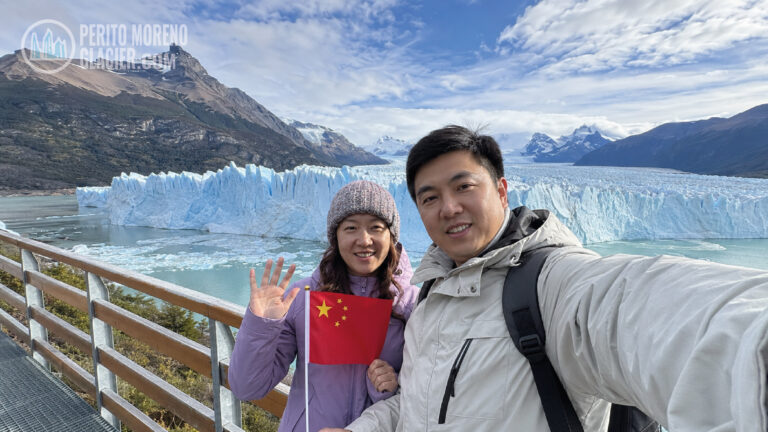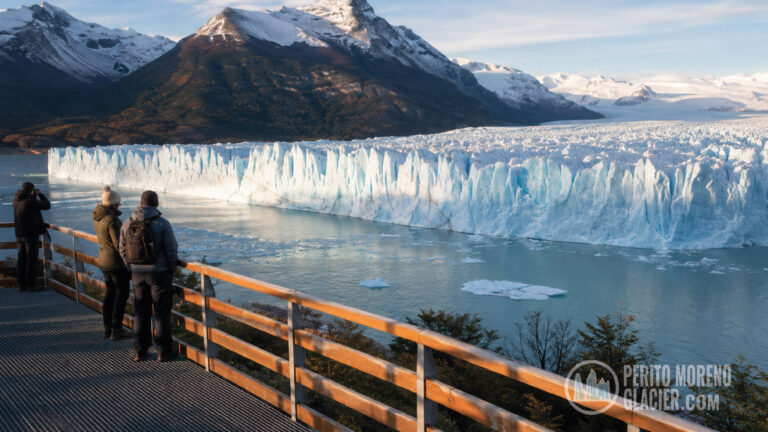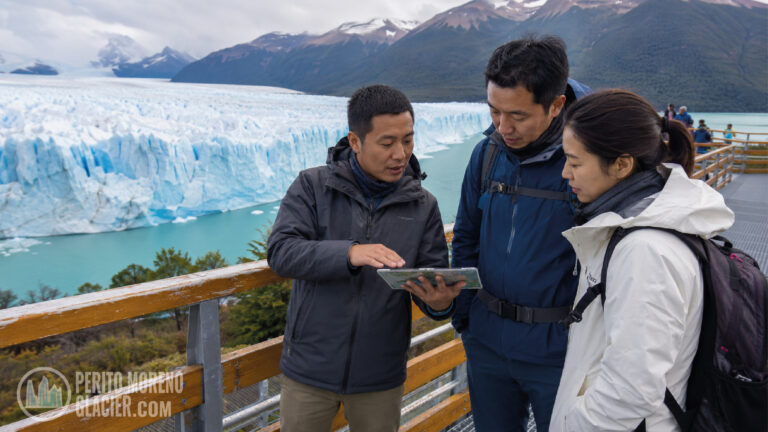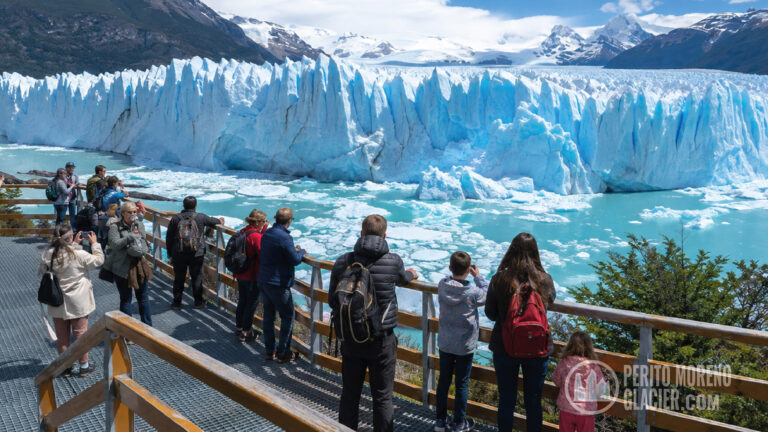
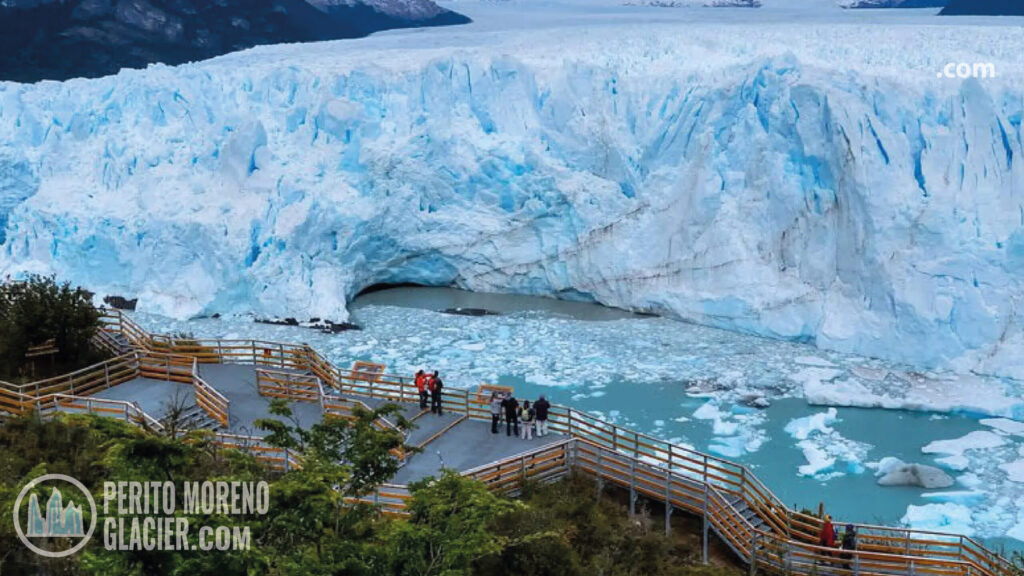
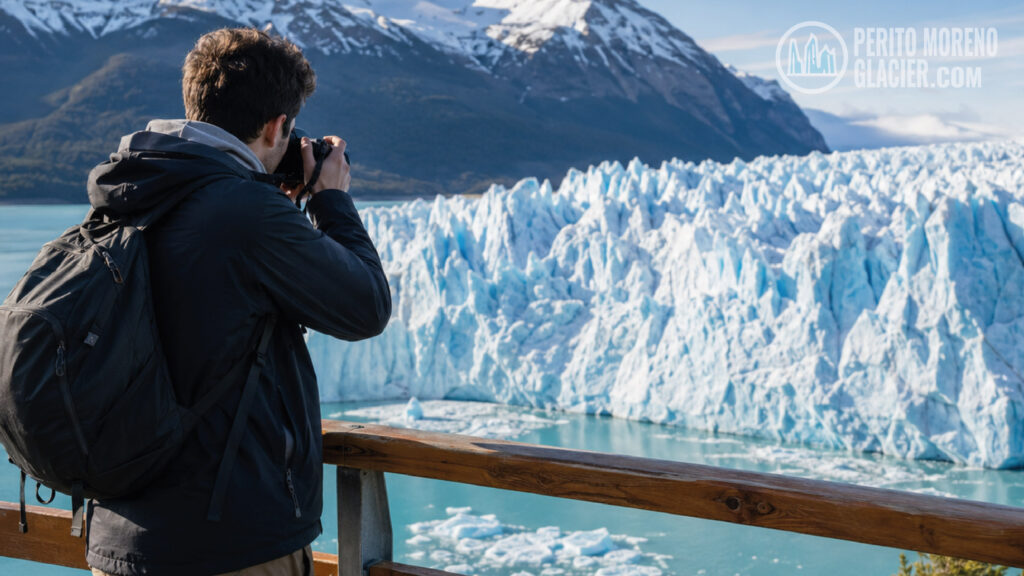
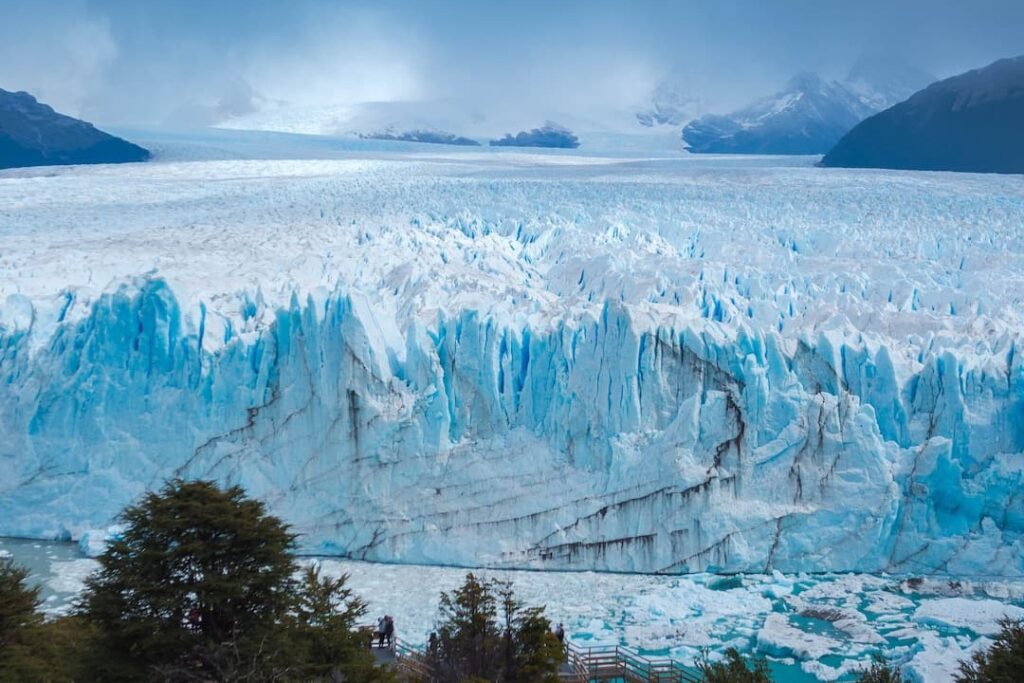
Perito Moreno Glacier can be an extraordinary destination for neurodivergent travelers. Its enormous wall of blue ice, clearly marked walkways and long periods of natural stillness can make the visit deeply engaging. For some people, watching the glacier may even become a calming and absorbing experience.
At the same time, the day can include unpredictable noises, strong wind, changing temperatures, crowded viewpoints, unfamiliar food, waiting and a long road journey. Understanding these conditions in advance can make the experience much more comfortable.
This guide may be useful for autistic travelers, people with ADHD, dyslexia, dyspraxia, Tourette syndrome, sensory processing differences, anxiety-related access needs and other forms of neurodivergence. However, neurodivergent people are not one homogeneous group. A stimulus that feels overwhelming to one visitor may be enjoyable or regulating to another.
The objective is not to create one “correct” way to visit the glacier, but to help every traveler build a predictable and adaptable experience.
Is Perito Moreno Glacier Suitable for Neurodivergent Travelers?
It can be. The main glacier experience does not require visitors to undertake a wilderness hike or walk directly on the ice. Perito Moreno can be observed from official walkways and panoramic balconies reached by road from El Calafate.
Potentially helpful features include:
- Clearly defined visitor routes.
- Secure railings and designated viewpoints.
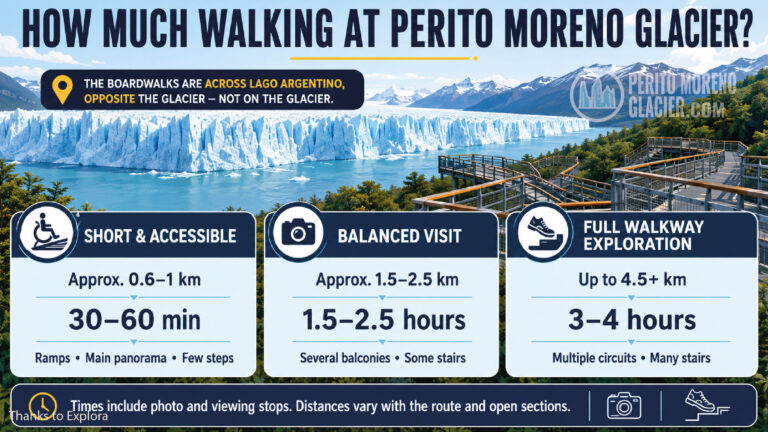
- Short and long circuits.
- Ramped sections.
- Opportunities to stop and watch the glacier.
- Restaurants and snack services.
- Public toilets.
- Sheltered indoor areas.
- The option of using a private transfer.
- No obligation to complete every walkway.
Los Glaciares National Park officially reports an accessible trail with ramps in the Perito Moreno sector. Downloadable audioguides are available in Spanish, English and Portuguese, along with an Argentine Sign Language guide. The park also has food services, toilets, potable water and some sheltered areas.
However, these facilities should not be interpreted as a dedicated neurodiversity program. The park does not currently advertise a sensory room, quiet-hour system or formal sensory map. Visitors who need specific accommodations should contact their operator and the park before traveling.
Argentinian & Chilean Patagonia: Ushuaia, El Calafate, El Chalten and Puerto Natales
Enjoy visiting Ushuaia and the end of the world... El Calafate and Perito Moreno Glacier... El Chalten and the Fitz Roy Mount and Puerto Natales and Torres del Paine National Park!
Understanding the Sensory Environment
Knowing what the destination might look, sound and feel like can reduce uncertainty.
Sounds at the Glacier
The glacier is not continuously loud. There may be long, quiet periods interrupted by sudden natural sounds.
Visitors may hear:
- Wind moving through trees and railings.
- Water and floating ice.
- Birds.
- Conversations from other visitors.
- Guides speaking to groups.
- Footsteps on metal-grate walkways.
- Doors and engines near the parking area.
- Sudden cracks, rumbles or explosive booms from the ice.
- Reactions from the crowd when part of the glacier calves.
The sound of ice breaking can be powerful and unpredictable. A major calving event may resemble thunder or a distant explosion. The sound can occur before you understand where it came from.
Noise-reducing earplugs or headphones may help, but complete sound isolation is not recommended while walking. You still need to hear safety instructions, approaching people and relevant environmental sounds.

Big Ice Trekking on Perito Moreno Glacier From El Calafate
Join our Big Ice Trekking Tour on Perito Moreno Glacier. Explore ice formations & rugged beauty. Book now for an unforgettable experience.
Wind
Patagonian wind may be one of the most challenging sensations. It can:
- Press against clothing.
- Move hair across the face.
- Make jacket fabric flap.
- Create noise around hoods and ears.
- Change body temperature quickly.
- Affect balance.
- Carry dust or light rain.
- Make communication more difficult.
A close-fitting beanie, hood, sunglasses and secure hairstyle may reduce sensory discomfort. Avoid loose scarves or accessories that need constant adjustment.
The Metal Walkways
Much of the walkway system uses metal grating. This can produce a different physical and visual experience from a solid floor.
Some visitors may notice:
- Vibrations underfoot.
- Metallic sounds.
- The ground visible through the grating.
- Repeated visual patterns.
- Changes between ramps, stairs and platforms.
- Movement created by other people walking nearby.
The park recommends appropriate trekking footwear because the walkway floor consists of metal grating and can become slippery in unfavorable conditions.
Travelers who find open-grate surfaces difficult can focus their gaze ahead, use the handrail, walk beside a trusted companion or ask about the shortest route to a panoramic balcony.
Argentinian & Chilean Patagonia: Ushuaia, El Calafate, El Chalten and Puerto Natales
Enjoy visiting Ushuaia and the end of the world... El Calafate and Perito Moreno Glacier... El Chalten and the Fitz Roy Mount and Puerto Natales and Torres del Paine National Park!
Visual Stimulation
The glacier itself creates an intense visual environment:
- Large expanses of bright white and blue ice.
- Reflected light from water.
- Strong contrasts between ice, sky and forest.
- Moving clouds.
- Crowds gathering suddenly.
- Camera screens and people taking photographs.
- Repetitive railings and grating.
Polarized sunglasses or tinted lenses may help visitors who are sensitive to glare. Keep them accessible even on cloudy days.
Temperature and Clothing Sensations
Conditions can alternate between cold wind outdoors, direct sunlight and warm indoor spaces. Repeatedly adding or removing clothing may be uncomfortable for people with tactile sensitivities.
Choose familiar garments with:
- Soft seams.
- Non-irritating labels.
- Easy zippers.
- Comfortable waistbands.
- A hood that does not obstruct peripheral vision.
- Layers that can be adjusted without completely changing clothes.
Do not use the trip to test unfamiliar boots, thermal clothing or waterproof trousers.
Smells
Possible smells include:
- Vehicle interiors.
- Fuel near parking and boarding areas.
- Food in restaurants.
- Perfume from other passengers.
- Damp clothing.
- Cleaning products.
- Boat engines.
- Natural forest and lake smells.
A face covering, familiar scented item or seating near a window may help some travelers. If smell is a major trigger, discuss vehicle size, ventilation and boat travel before booking.
Predictability: What the Day Usually Involves
A standard excursion generally follows this sequence:
- Pickup from a hotel or meeting point in El Calafate.
- Road journey toward Los Glaciares National Park.
- Stop or slow passage at the park entrance.
- Arrival at the glacier parking and visitor area.
- Explanation of routes and meeting arrangements.
- Free or guided time on the walkways.
- Optional lunch or snack break.
- Optional navigation when included.
- Return to the vehicle.
- Journey back to El Calafate.
The exact order can change because of weather, traffic, group organization or the selected excursion.
Amazing Patagonia: Ushuaia, El Calafate & Torres del Paine National Park
Book this amazing tour including Ushuaia, El Calafate, and the unique Torres del Paine National Park
Ask the operator for a written itinerary with approximate times. A visual schedule saved on a phone can make transitions easier.
Choosing the Right Transportation
Transportation can have as much impact on the day as the glacier itself.
Regular Group Excursion
A group tour is economical and provides logistical support, but it may include:
- Multiple hotel pickups.
- Waiting for other passengers.
- Conversations inside the vehicle.
- Guide commentary.
- Music or ventilation noise.
- Limited choice of seats.
- A fixed return time.
- Changes in the announced schedule.
Before booking, ask about vehicle size, approximate group size, pickup window and whether commentary is continuous.
Private Transfer or Private Tour
A private service may be the best option for travelers who need greater control over:
- Departure time.
- Vehicle temperature.
- Music.
- Conversation.
- Rest stops.
- Seating.
- Time spent at the glacier.
- Early return.
- Food breaks.
Explain concrete needs instead of only saying that the passenger is neurodivergent. For example:
- “Please do not play music in the vehicle.”
- “We need one confirmed pickup time.”
- “The passenger may use headphones and not answer questions.”
- “We may need an unscheduled restroom stop.”
- “Please give instructions in writing.”
- “We need the option of returning earlier.”
Specific requests are easier for an operator to implement.
Renting a Car
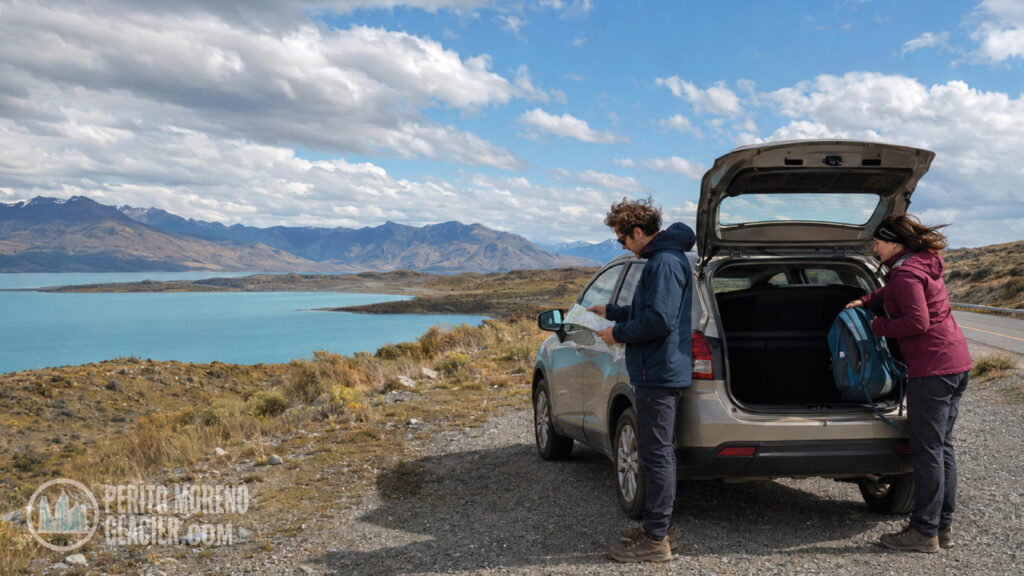
Independent transportation offers control but adds responsibility for navigation, road conditions, parking and driving in strong wind or winter weather.
A rental car may be suitable when the driver is comfortable with unfamiliar roads and changing conditions. It may be less suitable if navigation, uncertainty or driving fatigue creates significant stress.
How to Reduce Crowds
Crowd levels vary according to season, weather and excursion schedules. The busiest moments often occur when several tour vehicles reach the main balconies at similar times.
Visit Outside Peak Season
Late spring and early autumn may be less busy than the height of summer, although reduced crowds are never guaranteed.
Winter may offer quieter conditions but introduces cold, shorter daylight hours, snow and ice.
Consider a Private Schedule
Private transportation may allow you to arrive at a different time from the largest regular tour groups. Discuss timing with a local travel designer, since opening hours and seasonal conditions must still be respected.
Move Away from the First Balcony
Many visitors remain around the easiest and most immediate viewpoints. If energy and mobility permit, continuing to another balcony may provide more personal space.
Do not assume that the longest circuit will be quieter throughout. Ask park staff or your guide which open section currently has fewer people.
Pause Before Entering a Crowded Platform
There is no need to move onto a balcony immediately. Wait nearby, observe the movement of the group and enter after some visitors leave.
Argentinian & Chilean Patagonia: Ushuaia, El Calafate, El Chalten and Puerto Natales
Enjoy visiting Ushuaia and the end of the world... El Calafate and Perito Moreno Glacier... El Chalten and the Fitz Roy Mount and Puerto Natales and Torres del Paine National Park!
Communication with Guides and Staff
Some neurodivergent travelers may need additional processing time, literal instructions or information in a specific format.
Request Clear Instructions
Ask the guide to provide:
- Exact meeting location.
- Departure time.
- What will happen next.
- Whether an activity is optional.
- How long the free period lasts.
- Where the toilets are.
- What to do if separated from the group.
- A telephone number for assistance.
Photograph the vehicle and meeting place before beginning the walkways.
Use Written Communication
Save a short note on your phone in English and Spanish explaining your needs.
Useful Spanish phrases include:
- Necesito instrucciones claras y por escrito.
I need clear instructions in writing. - Necesito unos minutos en un lugar tranquilo.
I need a few minutes in a quiet place. - ¿Dónde es el punto de encuentro?
Where is the meeting point? - ¿A qué hora sale el vehículo?
What time does the vehicle leave? - Soy sensible a los ruidos fuertes.
I am sensitive to loud noises. - No necesito ayuda por el momento.
I do not need assistance at the moment. - Necesito regresar al vehículo.
I need to return to the vehicle.
Do Not Require Eye Contact
Travel companions should not interpret limited eye contact, headphones, repetitive movement or reduced speech as disinterest or disrespect.
Ask before touching someone, including when trying to direct them quickly.
Argentinian & Chilean Patagonia: Ushuaia, El Calafate, El Chalten and Puerto Natales
Enjoy visiting Ushuaia and the end of the world... El Calafate and Perito Moreno Glacier... El Chalten and the Fitz Roy Mount and Puerto Natales and Torres del Paine National Park!
Creating a Regulation Plan
A regulation plan identifies what to do before sensory discomfort becomes overwhelming.
Identify Early Signs
Early signs may include:
- Increased repetitive movement.
- Difficulty processing speech.
- Irritability.
- Becoming unusually quiet.
- Covering the ears.
- Rapid breathing.
- Inability to make decisions.
- Feeling trapped.
- Losing awareness of hunger or temperature.
- Increased need to leave.
Responding early is usually easier than waiting for complete overload.
Choose a Retreat Option
Potential places for a short pause may include:
- A less crowded balcony.
- The restaurant or snack-bar building.
- A sheltered visitor area.
- The parked vehicle, if accessible.
- A quiet area selected with the guide.
These spaces are not dedicated sensory rooms and may still contain people, noise or food smells.
Agree on a Signal
Travel companions can establish a simple signal meaning:
- Stop talking.
- Leave the current area.
- Find a toilet.
- Return to the vehicle.
- Put the planned activity on hold.
The person should not have to provide a long explanation while overloaded.
Shutdowns, Meltdowns and Sensory Overload
A meltdown is not a tantrum, and a shutdown is not deliberate uncooperativeness. Both may occur when demands or sensory input exceed a person’s capacity to regulate.
If overload occurs:
- Reduce spoken language.
- Move away from the crowd if this can be done safely.
- Avoid unnecessary questions.
- Do not touch the person without permission.
- Offer familiar regulation items.
- Protect privacy.
- Allow recovery time.
- Postpone decisions that are not urgent.
- Follow the person’s established support plan.
Safety instructions should remain short, literal and calm.
If symptoms could represent a medical emergency rather than sensory overload, seek professional assistance.
Cabalgata Experience: Canyon and Horseback Riding
Ride through Patagonia’s canyons, discover gaucho history, and enjoy a countryside lunch at Estancia 25 de Mayo.
Food and Hydration
Restaurants and snack services are available in the glacier visitor sector, but menus, queues, smells and availability can change.
The national park also provides a sheltered area for visitors who bring their own food. It advises carrying water and not drinking from natural watercourses.
Travelers with restricted or predictable diets should carry:
- Familiar snacks.
- Enough food for delays.
- A reusable water bottle.
- Any necessary utensils.
- Written information about allergies.
- Medication required for food-related conditions.
Avoid depending on finding one specific brand or texture at the glacier.

Calafate Balcony Tour in a 4×4 Vehicle
Enjoy the amazing views of El Calafate and Lake Argentino in the Calafate Balcony.
Toilets and Interoception
Some neurodivergent people may not recognize hunger, thirst, fatigue, cold or the need to use a toilet until the sensation becomes urgent.
Use planned check-ins rather than waiting for discomfort:
- Before leaving El Calafate.
- On arrival at the glacier.
- Before beginning a longer circuit.
- Before a boat trip.
- Before returning to the vehicle.
A phone alarm can provide a neutral reminder to drink, eat, use the toilet or adjust clothing.
Choosing Between the Walkways and a Boat Tour
Walkways
The walkways offer greater freedom to stop, change direction and move away from a crowded viewpoint. They may be the most adaptable part of the visit.
Possible challenges include stairs, metal grating, wind and sudden ice sounds.
Boat Navigation
A navigation can provide impressive views but introduces:
- Engine noise.
- Boarding instructions.
- Queues.
- Movement underfoot.
- Indoor crowding.
- Limited possibilities for leaving early.
- Announcements.
- Fuel or food smells.
Before booking, ask about duration, vessel size, indoor seating, toilet availability and whether passengers can remain in a quieter interior area.
A boat tour should not be treated as essential. The glacier can be fully appreciated from the walkways.
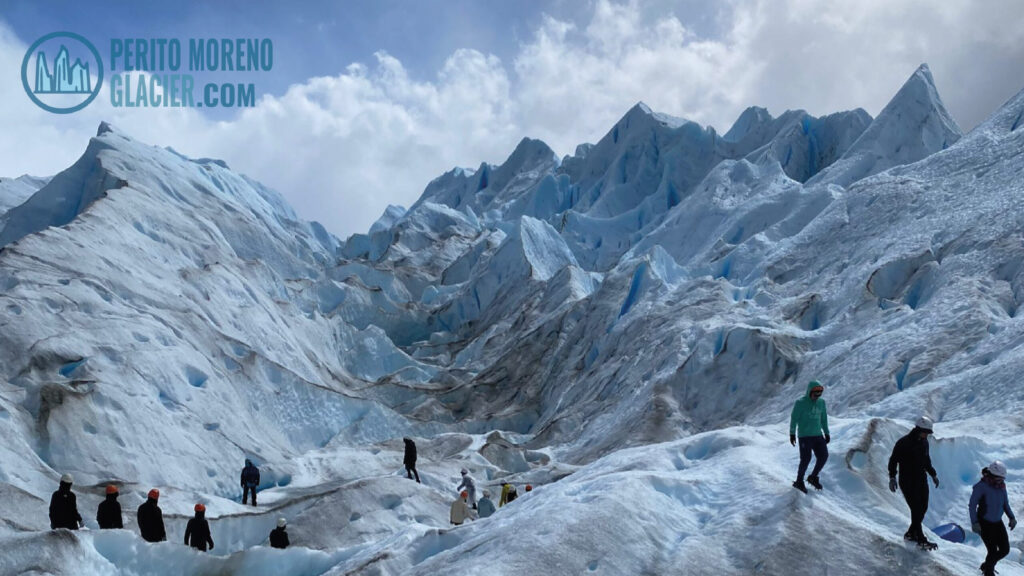
Is Glacier Trekking Appropriate?
Ice trekking is a structured adventure activity involving specialized equipment, group instructions, physical requirements and limited flexibility once the excursion begins.
Potential difficulties include:
- Crampons and unfamiliar sensations around the feet.
- Close-fitting safety equipment.
- Waiting.
- Repeated verbal instructions.
- Uneven ice.
- Physical fatigue.
- Group pacing.
- Fewer retreat options.
Neurodivergence does not automatically prevent participation. Suitability depends on the individual, the operator’s rules and the ability to follow essential safety directions.
Fully explain relevant communication, sensory or coordination needs before booking. A walkway-based visit is usually easier to adapt.
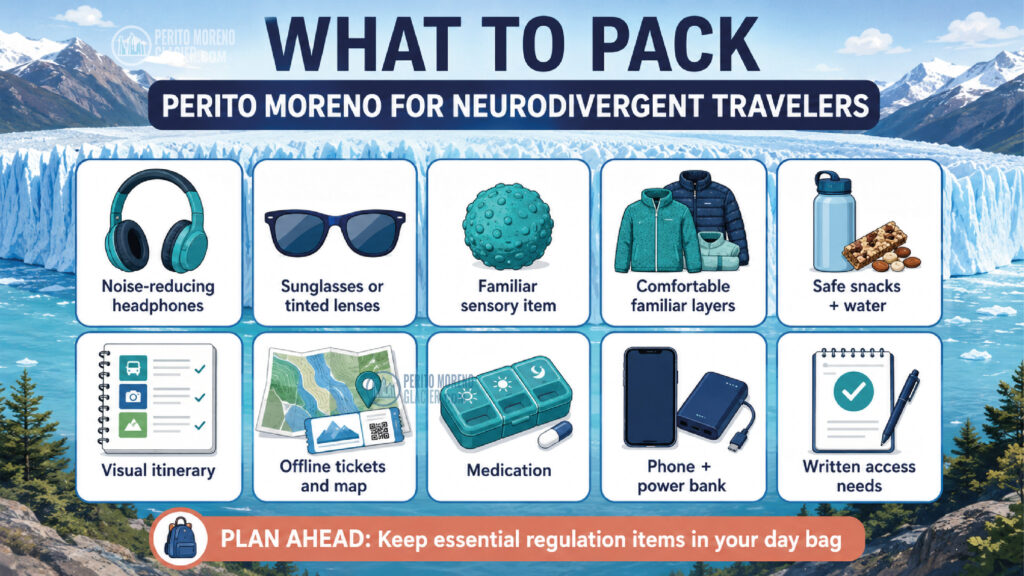
What to Pack
Sensory Supports
- Noise-reducing headphones or earplugs.
- Sunglasses or tinted lenses.
- Familiar hat or hood.
- Small fidget or regulation object.
- Comfortable gloves.
- Chewing gum or another familiar oral sensory item.
- Face covering for strong smells.
- Familiar scarf or soft fabric.
Planning and Communication
- Visual itinerary.
- Screenshots of tickets.
- Photograph of the meeting location.
- Guide and operator contact details.
- Written explanation of access needs.
- Offline map.
- Emergency contact information.
- Translation app with offline language files.
Physical Comfort
- Familiar layered clothing.
- Waterproof and windproof jacket.
- Supportive shoes.
- Water bottle.
- Preferred snacks.
- Sunscreen and lip balm.
- Prescribed medication.
- Portable phone charger.
- A dry bag or waterproof pouch.
Keep essential regulation items in the day bag rather than in luggage left on the vehicle.
Cabalgata Experience: Canyon and Horseback Riding
Ride through Patagonia’s canyons, discover gaucho history, and enjoy a countryside lunch at Estancia 25 de Mayo.
Preparing Children and Teenagers
Neurodivergent children and teenagers may benefit from a visual story showing each stage of the day.
Include photographs or simple illustrations of:
- The vehicle.
- Park entrance.
- Parking area.
- Toilets.
- Metal walkways.
- Viewing balconies.
- Glacier.
- Restaurant.
- Boat, if included.
- Return to the hotel.
Explain that the glacier may make a sudden loud sound. Avoid promising that it will or will not calve because this cannot be predicted.
Allow the child or teenager to carry familiar supports and participate in choosing the route or break times.
Preparing the Tour Operator
Contact the operator before making a non-refundable reservation. Useful questions include:
- Can you provide the itinerary in writing?
- How large is the vehicle?
- How many hotel pickups are expected?
- Is music played during the journey?
- Can a specific seat be requested?
- How large is the group?
- Is the guide’s commentary continuous?
- Can the passenger use headphones?
- Can we leave the glacier early?
- Where can we pause if the visitor becomes overwhelmed?
- Can you accommodate familiar food?
- How much waiting is involved?
- Can instructions be provided one step at a time?
PeritoMorenoGlacier.com can help coordinate these requirements with a travel designer and recommend a group, small-group or private service according to the traveler’s needs.
El Calafate Special Adventure Program: Big Ice and Horseback Riding or Trekking in Estancia Cristina
Enjoy visiting Perito Moreno Glacier, walking over the ice of the glacier and a wonderful trekking or horseback riding in a remote estancia in the national park

A Low-Demand Sample Visit
Before Departure
Eat a familiar breakfast, check the visual schedule and confirm that sensory supports are in the day bag.
Road Journey
Use headphones, familiar audio or quiet activities. Ask the guide to give advance notice before stops and transitions.
Arrival
Visit the toilet and identify the restaurant, vehicle and meeting point before starting the walkways.
First Glacier View
Begin with a short panoramic section. Allow time to observe without immediately adding photographs, commentary or another activity.
Regulation Break
Pause for food, water and sensory regulation before deciding whether to continue.
Optional Second Circuit
Choose another short walkway section only if the traveler wants to continue. Do not make completion of every route the objective.
Return
Leave enough time to reach the vehicle without rushing. Keep the evening schedule light after returning to El Calafate.

El Calafate Full Pass
A full package service to El Calafate and Perito Moreno! This full pass will save you money and organize your trip.
Frequently Asked Questions
Is Perito Moreno Glacier autism-friendly?
The glacier has several features that can support an autistic visitor, including defined walkways, ramped access and opportunities to observe from one place. However, it does not advertise a dedicated autism program, sensory room or quiet hours.
How loud is the glacier?
The general environment may be quiet, windy or filled with visitor conversations. Ice cracking and calving can create sudden, powerful sounds similar to thunder.
Can I wear headphones?
Headphones can be useful, but visitors should remain able to receive safety information and hear what is happening around them while walking.
Can I bring my own food?
The park lists a sheltered area for visitors bringing food. Carry familiar snacks if dietary predictability is important.
Is there Wi-Fi?
The national park reports Wi-Fi at the glacier restaurant. Do not rely on continuous connectivity elsewhere in the park.
Are the walkways accessible?
An official ramped route is available in the glacier sector. Other circuits contain stairs and metal-grate surfaces.
Is a private tour necessary?
Not always. Some travelers enjoy the structure and social predictability of a regular excursion. Others benefit from the flexibility and reduced sensory demands of private transportation.
Can I skip parts of the excursion?
In many programs, visitors can choose how much of the walkway network to explore. Boat trips and other activities may be optional, depending on the reservation. Confirm this before booking.
Final Advice for Neurodivergent Travelers
A successful visit to Perito Moreno Glacier does not depend on completing every walkway, tolerating every stimulus or following the same schedule as other visitors.
Preparation should focus on five elements:
- Predictability.
- Sensory support.
- Clear communication.
- Flexible timing.
- A realistic exit or regulation plan.
Tell the operator what would make the day work well rather than offering only a diagnosis. With an appropriate itinerary, familiar supports and permission to experience the glacier at an individual pace, Perito Moreno can become one of the most rewarding moments of a trip through Patagonia.
Australis Expedition Cruise from Punta Arenas to Ushuaia – 1 Night Free
Embark on a 4-Night Cruise Adventure Through Remote Patagonia: Includes Complimentary Night Stay in Punta Arenas or Ushuaia!
El Calafate Special Adventure Program: Big Ice and Horseback Riding or Trekking in Estancia Cristina
Enjoy visiting Perito Moreno Glacier, walking over the ice of the glacier and a wonderful trekking or horseback riding in a remote estancia in the national park